.svg?iar=0&hash=F6049510E33E4E6D8196C26CCC0A64A4)

/hfh-logo-main--white.svg?iar=0&hash=ED491CBFADFB7670FAE94559C98D7798)

Can Type 2 Diabetes Be Reversed?
Type 2 diabetes is no longer considered an irreversible condition. Some people have put the disease into remission with lifestyle changes. Learn more.
Diabetes occurs when your body loses the ability to break down the sugar you get from food. At Henry Ford Health, our skilled diabetes care providers offer treatment and education to manage diabetes and minimize your symptoms.
Here you can learn about our approach to diabetes care, more information about prediabetes and diabetes, the treatments we offer, how to find your care team and more.
Whether you have a new diagnosis or have been living with diabetes for years, treating this disorder can be complex. At Henry Ford Health, we teach you how to self-manage diabetes. We give you the tools and education you need to achieve your best possible health and quality of life.
More about what we provide:
At Henry Ford Health, we work with you to help manage diabetes and teach you new, healthier ways to control your glucose with food, exercise and medicine.
Our team of diabetes specialty physicians, Certified Diabetes Educators, nurse practitioners, registered nurses and registered dietitians work together to develop a personalized treatment and management plan to address your specific needs, including:
Learn about the difference between prediabetes and diabetes, the three types of diabetes, as well as risk factors, possible complications and more below:
Prediabetes means you have a higher-than-normal blood sugar level, but not high enough to be considered type 2 diabetes. However, it does mean that without lifestyle changes, people with prediabetes are at high risk of developing type 2 diabetes. It also puts some at risk for heart disease and stroke.
Learn your risk with this free online assessment.
Henry Ford Health’s Diabetes Prevention Program is a national program, approved by the Centers for Disease Control and Prevention (CDC), that is proven to prevent or delay type 2 diabetes.
Participants work with a trained lifestyle coach and other participants to learn the skills needed to make lasting changes, such as healthier eating, increasing physical activity, staying motivated and problem-solving.
The 1-year program includes two parts, weekly classes during the first six months, and then monthly classes for the following six months.
To be eligible for the program, a participant must meet all of the following criteria:
In addition, a participant must meet one of the following criteria:
Henry Ford Health offers DPP classes for our primary care patients. We are also currently partnering with the National Kidney Foundation of Michigan to offer additional classes, at no cost to the participant.
For more information about the program, please contact the DPP team by email or by phone at (313) 876-8300.
This type of diabetes occurs when your body doesn’t produce insulin. Your body needs insulin to move glucose (blood sugar) from the bloodstream into cells. Type 1 diabetes usually develops in children and young adults but can occur at any age. It affects only 5 percent of all people diagnosed with diabetes.
It’s important that you understand the symptoms of type 1 diabetes and the complications that can develop if it’s not properly managed. The experts and specialists at Henry Ford are your partners throughout your treatment process. You’ll get the advanced treatment you need, with a compassionate touch.
If you’re experiencing any of these symptoms, please see your physician:
Without proper treatment, type 2 diabetics are at risk for a variety of serious possible complications. Learn more further on this page.
Type 2 diabetes causes your blood glucose (blood sugar) levels to rise higher than normal. On top of that, your body isn’t able to produce enough insulin to maintain normal blood glucose levels.
Type 2 is the most common type of diabetes. Although most people develop it in adulthood, it’s occurring more frequently in children and young adults, in recent years.
Risk factors for developing type 2 diabetes include:
If you have type 2 diabetes, getting treatment early is key to maintaining your health and preventing serious complications. See your physician for diabetes testing if you’re experiencing any of these symptoms:
Without proper treatment, type 2 diabetics are at risk for a variety of serious possible complications. Learn more further on this page.
Without proper treatment, type 1 and type 2 diabetes can lead to serious complications. It’s important to follow your care team’s instructions to manage your condition.
Stroke, high blood pressure, eye damage, and nerve damage in the legs and feet — these are all serious risks. Being aware of what can happen is the first step in preventing these complications.
Foot complications
Diabetes can cause problems in your feet and lower legs. Your physician can monitor your overall health and the condition of your feet with regular visits.
In addition to regular screenings with your diabetes care team, check your feet daily for any of these symptoms:
Eye/vision complications
Diabetes increases your risk for developing eye conditions, including:
Early detection is critical in preventing vision loss and blindness. It’s extremely important to visit your ophthalmologist once a year for a comprehensive eye exam.
At Henry Ford Health, we work with you to help manage diabetes and teach you new, healthier ways to control your glucose with food, exercise and medicine.
Our team of diabetes specialty physicians, Certified Diabetes Educators, nurse practitioners, registered nurses and registered dietitians work together to develop a personalized treatment and management plan to address your specific needs, including:
Type 2 diabetes is no longer considered an irreversible condition. Some people have put the disease into remission with lifestyle changes. Learn more.

Untreated or undiagnosed diabetes can be a major risk factor for stroke. Learn how managing your condition can lower your risk.
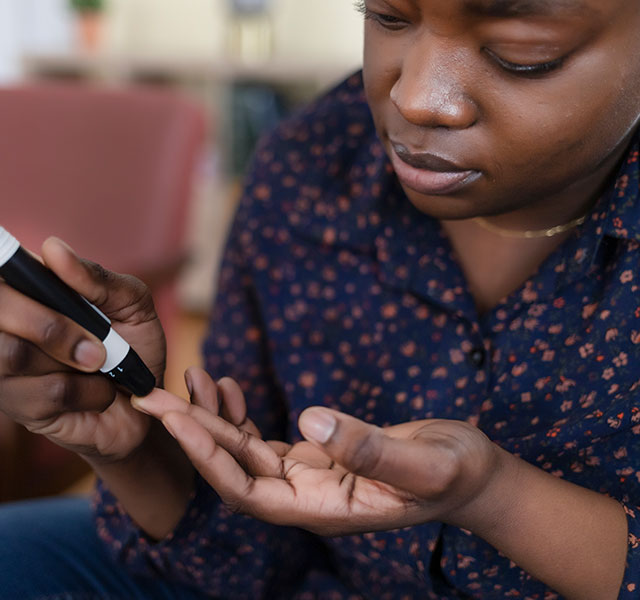
Type 1.5 diabetes often looks like Type 2, but it’s a different condition with different treatment. What is it, and how would you know if you have it?

Diabetes is about more than just your blood sugar. It’s also very common for people with diabetes to experience skin conditions like rashes and infections.
We use cookies to improve your website experience. By using this site, you agree to our Terms of Use. Read our Internet Privacy Statement to learn what information we collect and how we use it.