.svg?iar=0&hash=F6049510E33E4E6D8196C26CCC0A64A4)

/hfh-logo-main--white.svg?iar=0&hash=ED491CBFADFB7670FAE94559C98D7798)
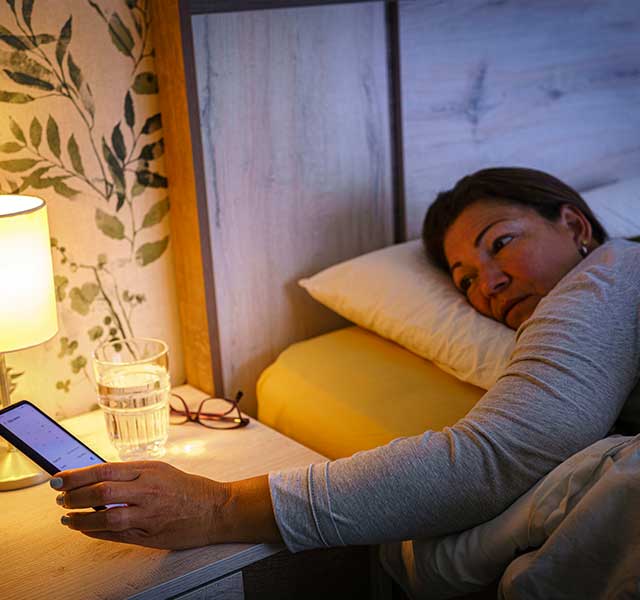
How Does Diabetes Affect Your Sleep?
Diabetes and sleep problems often overlap. Find out how high or low blood sugar can interfere with your sleep and how to get the rest you need.
Here you can learn about what diabetes screening options we offer and more about screening results.
Because symptoms of diabetes can be mild at first, you may have the condition and not know it. However, chronic high levels of blood glucose (sugar) can cause serious complications that affect the eyes, nerves, heart and other organs. That’s why it’s important for all adults to get screened for diabetes every 3 years beginning at age 45.
People with the following risk factors should begin screening at an earlier age and more regularly than 3 years:
A potential diagnosis for diabetes can be stressful for you and your family. You can rest assured knowing that expert care is nearby at a Henry Ford. With Diabetes Care Centers throughout southern Michigan, we make it easy for you to get tested for this serious yet manageable condition.
More about diabetes care at Henry Ford Health
Our team of diabetes specialty physicians, Certified Diabetes Educators, nurse practitioners, registered nurses and registered dietitians work together to develop a personalized treatment and management plan to address your specific needs, including:
We screen for and diagnose diabetes using blood tests that measure your blood sugar levels. The tests include:
This test measures your current blood sugar levels after you have fasted for at least 8 hours. We use the FPG test to detect and diagnose prediabetes, type 1, type 2 and gestational diabetes.
This test provides information about your blood sugar levels over the past 2 to 3 months. You do not need to fast (stop eating) for the A1C test. We use the A1C test to diagnose type 2 diabetes.
This test measures your blood sugar levels twice, so it takes longer than the other 2 tests. We use the OGTT test to detect prediabetes and diagnose all types of diabetes.
We first test your blood after you have fasted for at least 8 hours. Then you drink a sugary drink, which causes your blood sugar to rise. We then test your blood sugar after 2 hours to assess how quickly your blood sugar levels return to normal.
Diabetes and sleep problems often overlap. Find out how high or low blood sugar can interfere with your sleep and how to get the rest you need.

Type 2 diabetes is no longer considered an irreversible condition. Some people have put the disease into remission with lifestyle changes. Learn more.
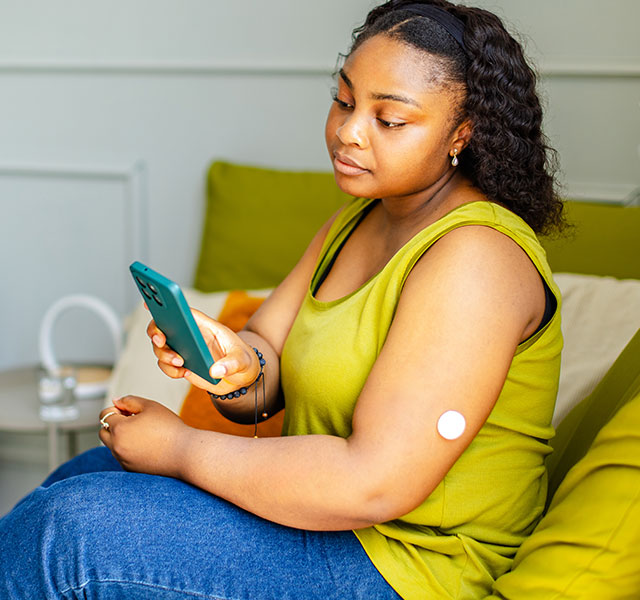
From keeping track of your blood sugar to monitoring insulin (and more!) here are the game-changing devices diabetes patients should know about.
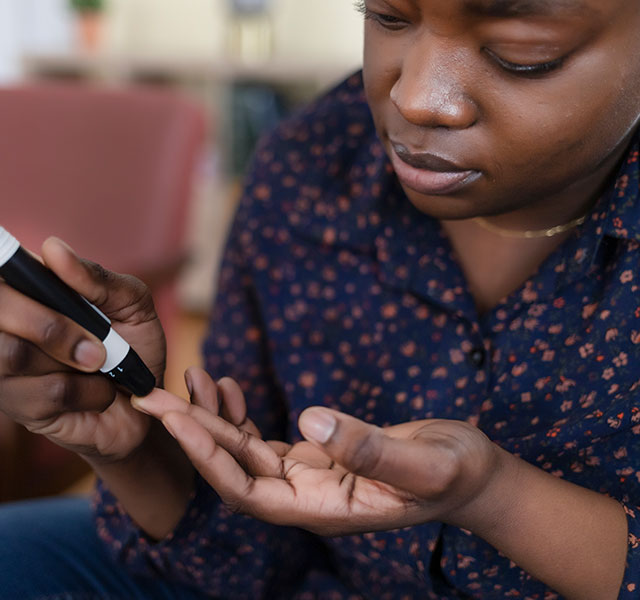
Type 1.5 diabetes often looks like Type 2, but it’s a different condition with different treatment. What is it, and how would you know if you have it?
We use cookies to improve your website experience. By using this site, you agree to our Terms of Use. Read our Internet Privacy Statement to learn what information we collect and how we use it.