.svg?iar=0&hash=F6049510E33E4E6D8196C26CCC0A64A4)

/hfh-logo-main--white.svg?iar=0&hash=ED491CBFADFB7670FAE94559C98D7798)

‘Stay Home Safe’ Program Reduces Fall-Related Hospital Visits by Nearly 50%
Henry Ford Health and Habitat for Humanity Detroit continue to expand a program that helps make seniors’ homes safer.
If you or a loved one ever need to be hospitalized overnight or for an extended period of time, chances are you will be seen by a medical specialty doctor known as a hospitalist. A hospitalist is a board-certified internal medicine doctor trained to care for hospitalized patients. They do not see patients in an outpatient clinic setting. Hospitalists are available in specific inpatient units at all Henry Ford Health hospitals at all hours of the day and night. They care for inpatients who may have medical conditions such as heart failure, infections, diabetes, kidney problems or others.
Hospitalists communicate with your primary care doctor and all specialty doctors that might also be caring for you during your hospital stay. The doctor who admitted you to the hospital is the lead doctor on your case, but they are busy seeing patients in their clinic most days and are not there to check on you in the middle of the night. Hospitalists are able to carefully manage your care at all hours of the day and night. They regularly report back to your primary care or specialty doctor, and together they decide your care plan.
Henry Ford hospitalists also partner with specialty physicians to provide care following surgery or some procedures that require a hospital stay. In addition, our hospital medicine team includes palliative medicine specialists who maintain the care and comfort of patients with pain from illnesses like cancer as well as hospice patients.



A surgical procedure called aquablation can treat an enlarged prostate, helping to ease symptoms like frequent urination.
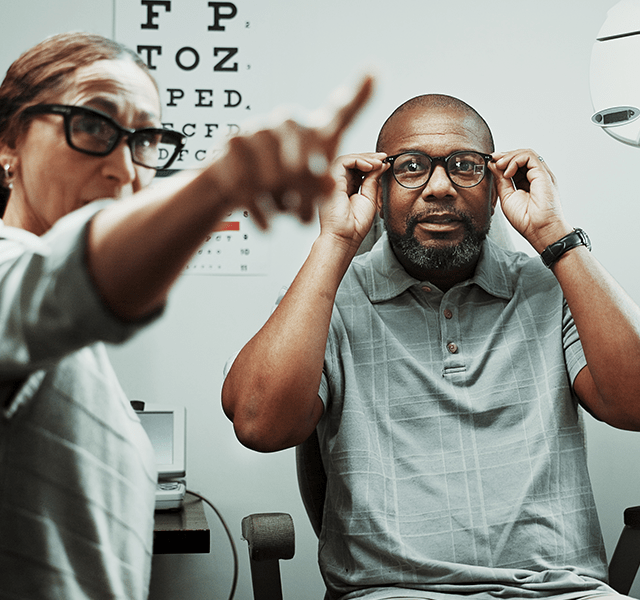
A sudden loss of vision is always a medical emergency. The cause could be an eye stroke. Find out if you're at risk and what to do if an eye stroke occurs.

Pumpkin-carving injuries are the most common Halloween-related injuries. Our emergency room doctor shares how to carve safely.

BRCA1 and BRCA2 raise breast cancer risk, but they're also linked to other cancers - and each gene affects cancer risk differently. Here's what to know.
We use cookies to improve your website experience. By using this site, you agree to our Terms of Use. Read our Internet Privacy Statement to learn what information we collect and how we use it.