

Winter weather can make lots of things more difficult. You’ve got to navigate the emotional challenges of cold, dark days. And the physical challenges of shoveling snow, walking on icy sidewalks and generating body heat in frigid temps.
Given all that, dry hands may seem like a minor annoyance. But during the winter months, the skin on your hands can often get so dry that it’s painful. Without the right care, dryness can lead to chapped hands and even cracks in your skin.
“You use your hands for everything, and they’re constantly exposed to the environment,” says Natalie Matthews, M.D., M.Phil., a board-certified dermatologist at Henry Ford Health. “That’s why it’s really important to take good care of them—especially during the winter.”
Why Winter Is So Hard on Your Hands
“The biggest issue in the winter is that the air gets very dry,” says Dr. Matthews. “And dry air makes your skin lose moisture more easily.” Your hands are often exposed to the cold, harsh weather, while the rest of your body is protected under warm, insulated layers. That makes them even more vulnerable to damage.
Winter is also the season for viral illnesses like colds and flu. “That means it’s also when we tend to wash our hands more often,” says Dr. Matthews. “Each time you wash, you remove some of the skin’s natural oils, which can worsen dryness.” Hand sanitizer, which typically contains alcohol, can also contribute to dryness, particularly with frequent use.
Habits That Help Dry Hands
Being out in cold weather and washing your hands more often are two aspects of winter that are tough to avoid. But you can take steps that help protect your skin from too much seasonal damage.
The first step is to expose your hands to fewer irritants. That means covering your hands to protect them whenever possible by wearing gloves when you’re outdoors. You should also wear gloves that protect your hands while doing things like washing dishes and cleaning.
Next, pay attention to what you’re using to wash your hands. “Look for a cleanser that’s formulated to be gentle on skin,” recommends Dr. Matthews. “That usually means one that’s fragrance-free and doesn’t contain harsh ingredients that can strip the skin’s natural oils.”
 Dermatology at Henry Ford
How to Moisturize Hands
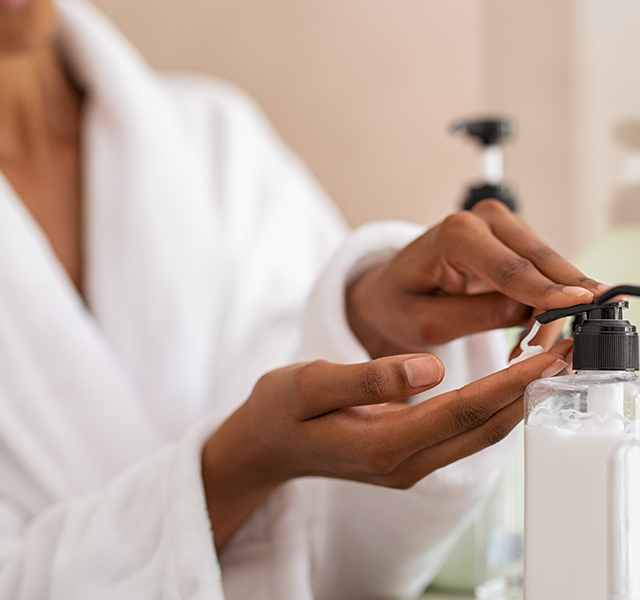
No matter how carefully you protect your hands, they are still likely to feel extra-dry all winter. The key to caring for chapped hands is to moisturize them well—and often. “You really should moisturize your hands repeatedly throughout the day,” says Dr. Matthews. “Especially right after washing, to help restore the skin barrier and lock in moisture.”
Applying any type of moisturizer is better than nothing, but some options are more effective than others. “I tell patients to reach for thicker products,” says Dr. Matthews. “Creams or ointments tend to work best.”
A thick hand cream is a great choice during the day. At night, consider an even thicker ointment—typically a clear, petroleum-based substance. “Applying that is like adding a protective second layer of skin,” says Dr. Matthews. If it feels too greasy, slip on a pair of thin cotton gloves overnight to help seal in the moisture while you sleep.
If your skin is especially sensitive, she recommends avoiding products that contain fragrance. “It’s one of the most common skin irritants,” she says. “And when skin is dry and its protective barrier is compromised, fragrance can be even more irritating.”
When to See the Doctor About Dry Hands
Run-of-the-mill dry hands rarely require a trip to the doctor. But for some people, persistent or severe dryness may be a sign of an underlying condition, such as eczema or contact dermatitis.
“If you’re moisturizing consistently and your hands aren’t improving,” says Dr. Matthews, “it’s a good idea to see a dermatologist.” If needed, they can recommend prescription-strength barrier creams or topical anti-inflammatory medications, such as corticosteroids, to treat eczema.
Reviewed by Natalie Matthews, M.D., M.Phil., a board-certified dermatologist who sees patients at Henry Ford Medical Center – New Center One and Henry Ford Medical Center – Plymouth.

