
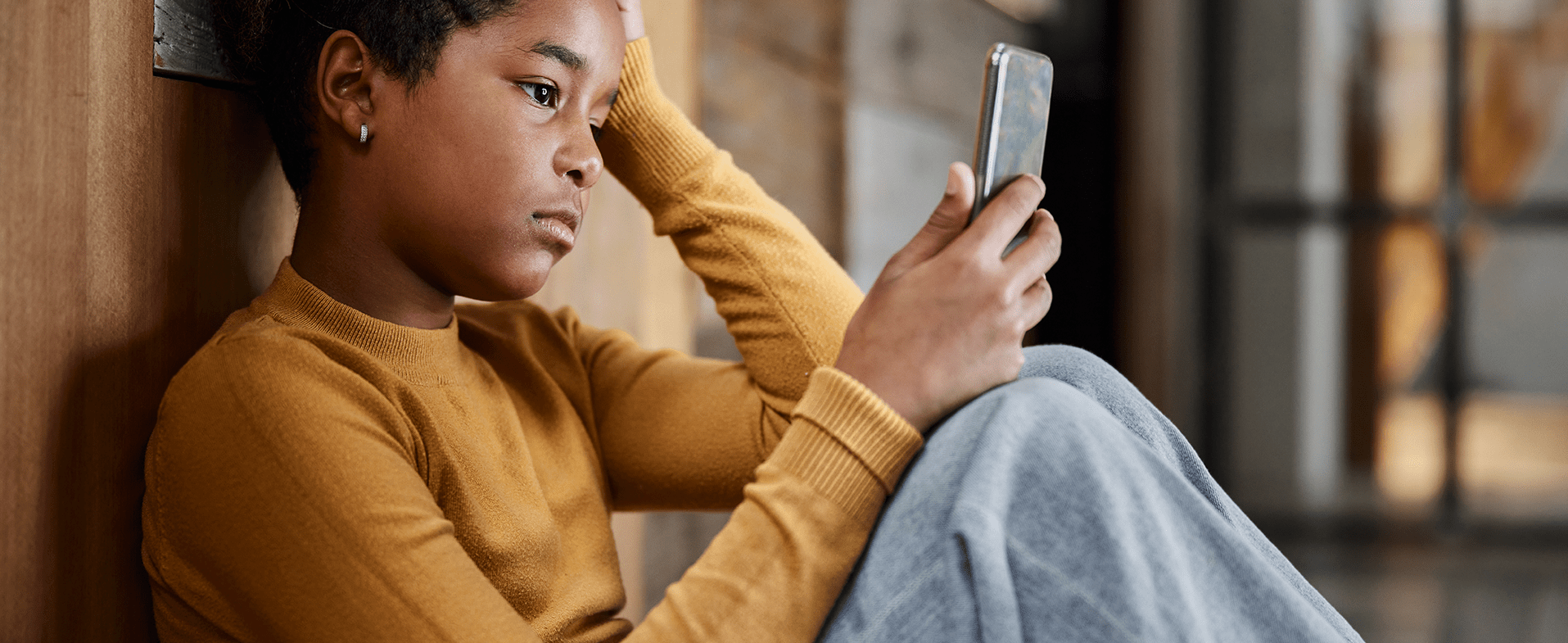
In recent years, traditional in-person bullying has plateaued – but cyberbullying has increased. Cyberbullying can be particularly harsh since negative comments have a captive target audience. Whether it’s physical, emotional, verbal or social, however, bullying is always a form of abuse that can have a lasting impact.
In this world of social media, it’s important to talk about online safety with your child: Discuss sharing private information (such as full names, photos, family information, etc.) all of which can be used for bullying. Appropriately monitor your child’s device so you can identify when bullying is occurring and ensure they’re not interacting with strangers – whether that means purchasing a monitoring tool or simply looking at their daily use. And ensure you have appropriate safety settings activated in video games and on social media.
It’s never too early to educate your children about bullying and arm them with information so they understand how to recognize and battle against it. Whether your child is a victim, aggressor or an innocent bystander, there are additional steps you can take to stop hurtful behaviors:
1. Build their self-esteem.
Children who have a healthy self-image are less likely to be a bully or a target. Encourage kids to take part in activities they enjoy. Whether they play soccer, practice fine art or sing in a choir, sports and hobbies can build confidence and friendships that help protect kids from bullying.
2. Start talking to them about bullying.
Tell your child what bullying is and explain it’s unacceptable. When incidents occur at school or even in news headlines, discuss the best way to handle the incident from your child’s perspective. Most importantly, be sure your child knows they should speak to a trusted adult if they are bullied or see someone else being bullied.

Subscribe To Our E-Newsletter
3. Listen to your children.
Check in with your child daily. Ask about their joys, fears and experiences. Ask about school. Listen to their concerns. Get to know your children’s friends. And don’t be afraid to ask the tough questions. If your child tells you about bullying they've witnessed, explain how they can help by showing kindness or informing an adult.
4. Model kind and respectful behavior.
Kids learn how to behave by watching you. From the time kids are old enough to communicate (even non-verbally), they are learning how to treat others. Give your child a high five or thumbs up, greet them with a hug and teach them how to manage big emotions in safe and effective ways. By treating others with kindness, and managing your own stress and conflict in measured ways, you show your children there’s no place for bullying.
5. Discuss strategies to stay safe.
If your child admits to being bullied, take it seriously. Reassure them that you will find a solution together—one that doesn’t involve violence or injury. Instead of teaching children to fight back, encourage them to firmly and clearly tell the bully to stop then walk away. Help them identify a buddy they can turn to when bullies are around. And if the situation is occurring at school, inform the teacher, principal or school counselor. Most schools have anti-bullying programs in place to help victims.
You don’t need to set aside time for a formal discussion to start a dialogue with your child about bullying. Many productive conversations happen in the car, while running errands or even while preparing dinner. So, instead of asking your child directly if they are being bullied, ask questions about cliques at school or rumors kids are spreading. You might even share your own experiences with bullies to spark conversation.
In addition to paying attention to what your child is saying, watch how they are behaving. If your child is acting differently, withdrawing from activities, or having trouble eating and sleeping, a bully may be the culprit. Help is available.

