

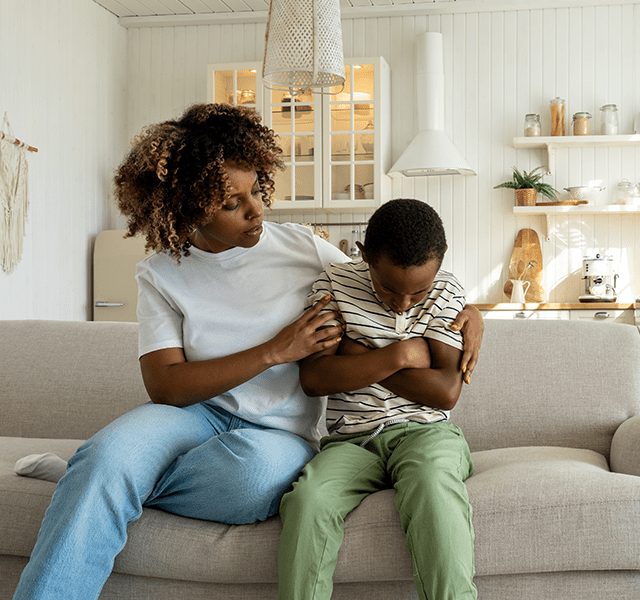
During the long school day, your child follows the rules and does what they’re told. But as soon as they get home, that obedient student melts into a puddle of tears and tantrums. Sound familiar?
This event is common enough that it has an official name: after-school restraint collapse. “After-school restraint collapse is a pattern where a kid seems to manage the demands of the school day relatively well, but when they get home there is significant emotional disruption or dysregulation,” says Kelly Melistas, L.L.P., a child and adolescent psychologist at Henry Ford Health.
That might look like a classic temper tantrum. Or it could look like hyperactivity, moodiness or irritability—picking fights with siblings, for instance, or talking back to parents.
Whatever form it takes, restraint collapse isn’t fun for anyone. Fortunately, there are things caregivers can do to defuse these after-school meltdowns.
What Causes After-School Tantrums?
After-school tantrums can feel random. But there’s a reason for these big reactions.
During the day, kids spend a lot of mental energy regulating their feelings and behaviors. They stay quiet when they’re tempted to argue, and stay in their seats when they feel the urge to move. Meanwhile, they’re navigating social situations with other students, and with grown-ups who each have different styles and expectations. Then there’s the sensory stimulation—dealing with a noisy lunchroom, too-hot classroom or chaotic bus ride home.
“Kids often do a really good job of holding it all together during the school day. But once they get home, they let it all out,” Melistas says. As frustrating as that can be for parents, it often happens because home is the place kids feel safe and free to be themselves.

Pediatric Behavioral Health at Henry Ford
After-school restraint collapse can be particularly noticeable in some kids with diagnoses like ADHD, autism or anxiety. “Those kids often spend a lot of cognitive energy managing their attention, their impulses, their social expectations and all the sensory stimuli coming at them all day,” Melistas says.
Still, any child can experience after-school meltdowns. Kids are still learning how to manage their feelings and their behaviors.
“Think of this behavior as information,” Melistas says. A child might not have the right words to explain that they’re mad at a classmate or feeling overstimulated by the noise on the school bus. “As parents, it’s our job to step back and think about what this behavior is communicating,” she adds.
Tips for Preventing After-School Meltdowns
After-school restraint collapse is normal. That doesn’t mean you have to live with daily tantrums. Here’s how to manage meltdowns.
- Build a transition zone: Transitioning from school to home can be even harder if kids are coming home to another busy to-do list. Instead of diving straight into homework or chores, create a calm, predictable schedule to help kids ease in. Melistas recommends setting aside 30 to 60 minutes for transition.
- Plan to prevent: It’s almost impossible to stop a meltdown in the middle. Instead, set up a routine to prevent them before they begin. During transition time, kids can refuel with a snack and a glass of water. Give them some space and quiet if they need it. Movement should also be part of the plan, she says; stop at the park for a few minutes or shoot hoops with your teen in the driveway. Calming activities like reading or drawing can also help set the tone for the evening.
- Ask for insight: Each kid is different, so talk to your children about what they might need to help them reset after school. One kid might want to debrief with a parent while another craves silence. Kids who feel overstimulated might want to bring earplugs to wear on the bus. For others, playing outside might help them burn pent-up energy.
- Bite your tongue: It’s tempting to pepper your child with lots of questions about how their day went. But few kids appreciate an inquisition. Try to give them some quiet space to decompress and save the conversation for later.
- Choose choice: Kids don’t have much say in how their school day goes. Offering them choices at home can help them feel more in control. If they’re hungry, offer a couple of healthy snack options and let them pick. If they’re starting to get sassy, ask: Is there something you want to talk about, or do you need a few minutes alone in your room to regroup?
- Hit pause on punishment: When kids fly off the handle, parents are often tempted to dole out consequences immediately. But punishing kids for behavior they can’t control can be counterproductive. Instead of grounding them for crying, help defuse the intensity with a snack or a hug. After they’re calm, sit down to discuss better ways to handle big feelings. “That doesn’t mean you should let inappropriate behaviors slide,” Melistas notes. If you need to address behaviors like hitting a sibling or speaking disrespectfully, you can discuss consequences when you’re both calmer.
For most kids, taking these steps can help minimize after-school blow-ups. But if things are still going sideways, it’s worth doing some further investigating. “Talk to your child’s teacher to ask if they’re noticing anything during the school day,” Melistas says. They can be on the lookout for problems that you might not be aware of, such as bullying or feeling overwhelmed by their schoolwork.
Also keep an eye out for other changes in mood, sleep or appetite, which might signal problems like anxiety or depression. If after-school meltdowns continue to interfere with your child’s and family’s functioning, talk to your pediatrician.
“It’s normal to get upset and frustrated and experience emotions,” Melistas says. “Our job as parents and caregivers is to help kids develop strategies to manage them.”
Reviewed by Kelly Melistas, L.L.P., a child and adolescent psychologist at Henry Ford Health.

