We have technology to thank for many things. One of those is the gift of connection—even to those who are physically far away.
“Video calls, social media and even texting allow us to stay in touch in ways we never could before,” says Lisa MacLean, M.D., a psychiatrist at Henry Ford Health. “Your people can be anywhere in the world, but you can still have daily interactions with them.”
Of course, digital connections also come with some downsides. It can be easier to hide any messy or unpleasant realities behind filters and cute emojis. Learning to balance virtual and in-person relationships can lead to healthier and more satisfying connections.
Why Social Connection Is So Important
Whether you do in person or online, “the most important thing is to have a connection,” says Dr. MacLean. When that’s lacking in our lives, it can negatively affect our emotional and physical health.
According to the Centers for Disease Control, social connection helps reduce the risk of disease, including heart disease, stroke and dementia. It can also improve our mental health, reducing stress, depression and anxiety.
Having relationships you can count on—in person, by phone or online—provides both emotional and practical support. You have someone who can talk through problems with you, share a laugh or offer a ride when your car is in the shop.
The Downsides of Digital-Only Connection
We learned during COVID shutdowns that we can survive interacting with friends, family and coworkers only online. But few of us would opt to go back to that all-virtual world.
That’s partly because the digital space can cause problems more easily avoided with in-person connections. “If your digital interactions feel lacking in true connection, you may experience loneliness, anxiety or low self-esteem,” says Dr. MacLean.
One reason why digital connections can leave you feeling more disconnected is that they often lack authenticity. “People present you with only a curated version of reality,” she says. Even during a phone call or video chat with a friend, it’s easy to gloss over things and make life seem more perfect.

Subscribe To Our E-Newsletter
How to Build More Authentic Connections
If you’re looking to make your virtual connections more authentic, you need to take the first step. “Stop curating your reality,” advises Dr. MacLean, “and start being more vulnerable. True connection is built on vulnerability.”
On social media, that means not just posting the successes and happy moments. “Let people see a more authentic version of your daily life, even the messiness,” she says.
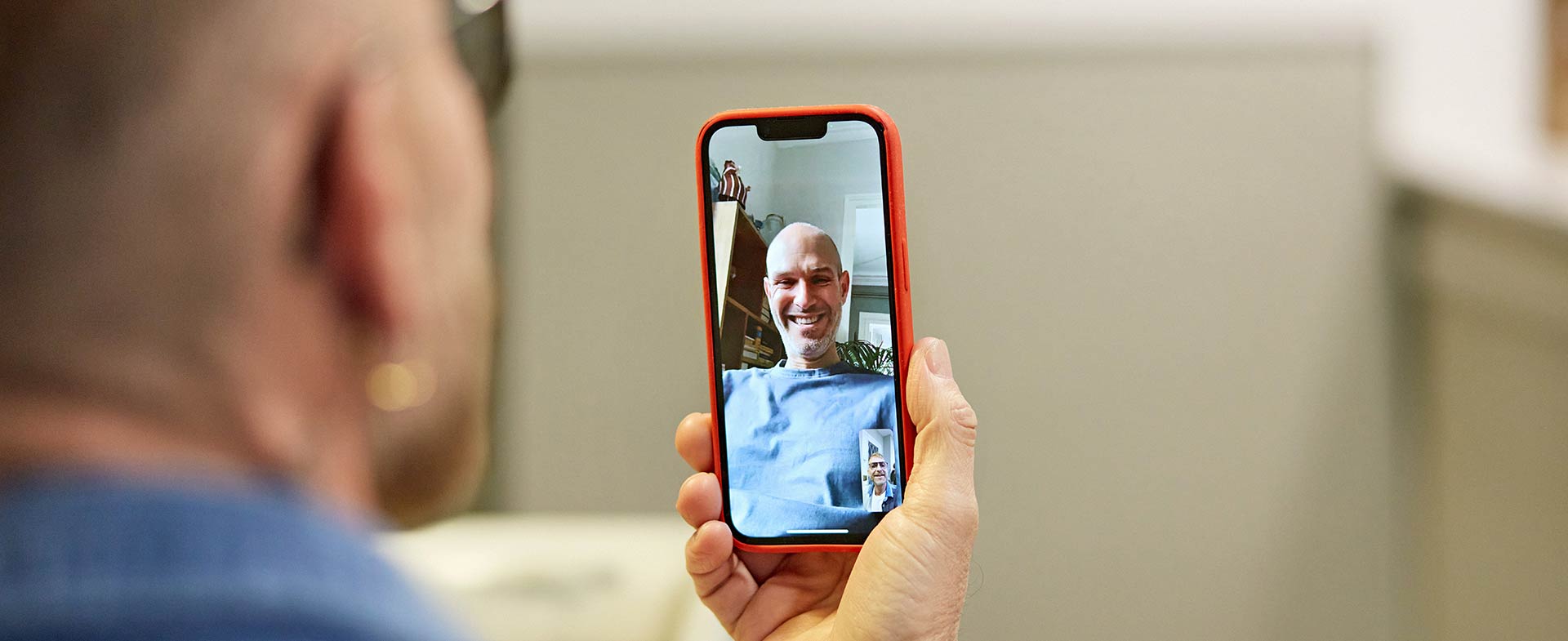
With friends, don’t do all your communicating via text. Pick up the phone, or better yet, have a video chat. Adding a more personal touch to a virtual interaction can help build better relationships.
Find Your People
One of the biggest benefits of the many ways we can now connect digitally is that you find friendship and support from people anywhere in the world. “The accessibility is unmatched,” says Dr. MacLean.
This can be especially beneficial for people from a marginalized community or those with a rare health condition. “Whatever you’re looking for, you can find your people and become part of a community,” says Dr. MacLean.
Why Personal Connection Still Matters
In the years since COVID, we’ve gotten increasingly used to having many (if not most) of our connections virtually. If that’s made you uncomfortable connecting in person, Dr. MacLean says to take it slowly.
“Start with low-pressure interactions, like saying hi to a neighbor or chatting with the barista at the coffee shop,” she says. “Taking a walk with a friend is a great way to connect that doesn’t feel overwhelming.”
It’s also important to accept that in-person interactions may feel a bit awkward at times. “You no longer get to hide behind your screen,” says Dr. MacLean. But finding ways to get back out there can pay off.
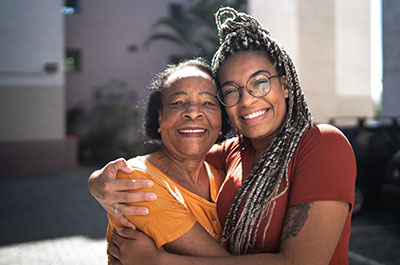
“You can open up and connect virtually, but nothing replaces the value of those in-person moments,” she says. “You can’t hug someone virtually.”
Reviewed by Lisa MacLean, M.D., a psychiatrist specializing in adult ADHD treatment at Henry Ford Behavioral Services in Detroit.