.svg?iar=0&hash=F6049510E33E4E6D8196C26CCC0A64A4)

/hfh-logo-main--white.svg?iar=0&hash=ED491CBFADFB7670FAE94559C98D7798)
Dementia - Related Educational Topics
The Henry Ford Health C.A.R.E. Program, iCare4U Employee Resource Group, and content experts from the Alzheimer’s Association of Michigan are...
If you are struggling with intestine failure, intestine rehabilitation can improve your quality of life. The goal of the Henry Ford Intestine Transplant and Rehabilitation Program is to help reduce your dependence on total parenteral nutrition (TPN) or intravenous (IV) feedings, and prevent you from needing an intestine transplant.
Intestine failure occurs if your body can’t digest and absorb important food, fluids and nutrients. You may get nutrition through TPN or IV feedings. Over time, this can lead to infection, blood clots or liver problems. Your intestine failure may continue to get worse.
We offer hope at the Henry Ford Intestine Transplant and Rehabilitation Program. It’s the only program of its kind in Michigan with the full range of treatments for intestine failure:
To learn more or request a consult, submit an online form or call: (313) 916-1826.
The Henry Ford Health C.A.R.E. Program, iCare4U Employee Resource Group, and content experts from the Alzheimer’s Association of Michigan are...
Music has an incredible ability to soothe the mind and lift the spirit. It can ease pain, calm anxiety, and support healing. If you or someone you...
A relaxing and fun activity! Using paper, paint, felt, glue, and found items, we will create an artwork inspired by the cover of "Remarkably Bright...
Henry Ford Hermelin Brain Tumor Center offers Support Groups and Lunch & Learn sessions for individuals diagnosed with a brain tumor and...

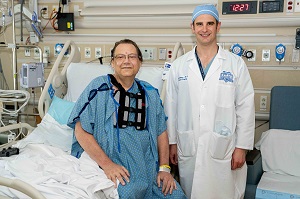

Donating your kidney is a procedure that has become increasingly safer due to advancements in medicine, improved surgical techniques and a highly sophisticated donor selection process.

Typically, advanced liver disease occurs in older people. But recently, young people have been developing advanced liver disease due to alcohol consumption. Learn more about this sobering fact--and how much alcohol is considered 'safe.'

If you have diabetes, you’re at high risk of fatty liver disease. Learn what it is and how you can help prevent it.
We use cookies to improve your website experience. By using this site, you agree to our Terms of Use. Read our Internet Privacy Statement to learn what information we collect and how we use it.