.svg?iar=0&hash=F6049510E33E4E6D8196C26CCC0A64A4)

/hfh-logo-main--white.svg?iar=0&hash=ED491CBFADFB7670FAE94559C98D7798)
Live Music with the DSO
Music has an incredible ability to soothe the mind and lift the spirit. It can ease pain, calm anxiety, and support healing. If you or someone you...
Appendix cancer, also known as appendiceal cancer, affects fewer than 1,000 people in the United States each year. While rare, several effective treatment options are available. Our expert team of cancer specialists will create a personalized treatment plan tailored to your needs.
Our Henry Ford Cancer team includes cancer specialists from medical oncology, radiation oncology, and surgical oncology, who meet regularly to review your case. We will be with you every step of the way – from diagnosis and treatment, through recovery.
Our patients have access to the top fellowship-trained surgeons and the most advanced science-based technologies and treatments for the various types of tumors that can start in the appendix:
Surgery is the most common treatment for appendix cancer. Our team uses the most advanced techniques whenever possible, to offer you the best outcome.
Depending on the disease type, your treatment plan may also include the administration of chemotherapy and/or radiation therapy, either before or after surgery.
Your multidisciplinary team at Henry Ford Cancer will provide you with the answers, support, and resources at every step of your cancer treatment and recovery and includes:
Music has an incredible ability to soothe the mind and lift the spirit. It can ease pain, calm anxiety, and support healing. If you or someone you...
Join us each Tuesday for Open Studio, a free-of-charge art therapy group available to cancer patients and survivors where you can spend some...
The Detroit Institute of Arts' virtual Behind the Seen program brings insight and engagement about the DIA's collection from the museum to your...
Join us each Tuesday for Open Studio, a free-of-charge art therapy group available to cancer patients and survivors where you can spend some...

DETROIT — Newly published research conducted in Wayne County, Mich. found that non-smokers, particularly women, who lived near textile and...

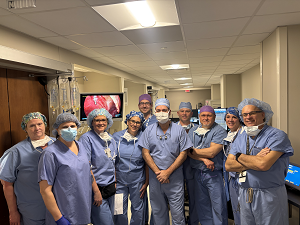


Here's everything to know about lung cancer, including why it's important for those at risk to get annual screenings.

Advances in medicine would not be possible if people didn't enroll in clinical trials. Here's how they work and how to get matched with one.
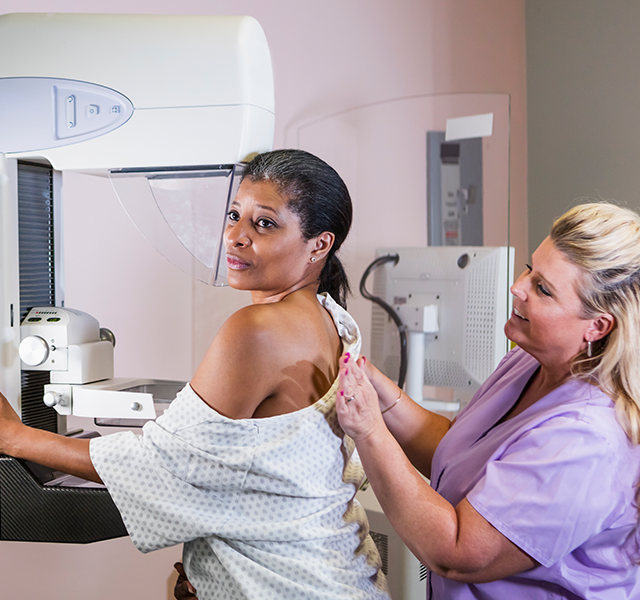
For many women, a mammogram can be a nerve-wracking experience full of ‘what-if’s’ and unknowns. But knowing what to expect can often put anxious minds at ease.

Millennials are now at a higher risk for developing colorectal cancer than baby boomers. Here are some potential reasons why - and what you can do to lower your risk.
We use cookies to improve your website experience. By using this site, you agree to our Terms of Use. Read our Internet Privacy Statement to learn what information we collect and how we use it.