
High protein, protein maxxing, protein supplements—if the food industry were electing a buzzword, “protein” would win hands down. As food fads go, there are worse things than focusing on protein. But what sometimes gets lost in the high-protein hype is a careful look at how much your body really needs and can use.
“The problem with protein guidelines is that it’s not a one-size-fits-all nutrient,” says Ashlee Carnahan, MS, RD, a dietitian at Henry Ford Health. “Everyone has individualized needs based on their age, gender, level of physical activity and health.”
Learn how to determine your protein needs, plus smarter ways to fuel up with protein at every meal.
The Role of Protein in the Body
Everyone talks about the importance of protein for your muscles. But that’s not its only role. Protein is the building block of every cell. Getting adequate protein in your diet is critical for fueling numerous body tissues and functions.
When you eat protein-rich food, the digestive system breaks it down into its components, called amino acids. Your body needs a wide assortment of amino acids. Different types of food contain different types of amino acids, so eating protein provides your body with the amino acids it needs to build new cells and repair cell damage.
How Much Protein Should I Eat at Every Meal?
The current USDA dietary guidelines provide specific protein guidelines that encourage people to “prioritize protein foods at every meal.” To meet those guidelines, the USDA suggests aiming for a daily intake of 1.2 to 1.6 grams of protein per kilogram of body weight. For a person who weighs 150 pounds (68 kilograms), that means a daily total of about 82 to 109 grams of protein.
“That’s definitely enough for the average healthy person looking to lose or maintain weight and not lose muscle mass,” says Carnahan. “Someone who is more active, such as an athlete, may need more.” She also notes that older adults don’t absorb and utilize protein as efficiently and may need to focus on getting more in their diet.
“You should aim for about 30 grams of protein at every meal,” says Carnahan. “It’s better to spread it equally throughout the day than to eat one really protein-heavy meal.” That’s partly because studies have shown that the body can only absorb about that much at one time. “If you eat a big steak that contains upwards of 50 grams of protein, your body might not be able to absorb and use all of it,” she says.
Getting about 30 grams at breakfast, lunch and dinner helps you feel more satisfied and energized throughout the day.

Foods High in Protein
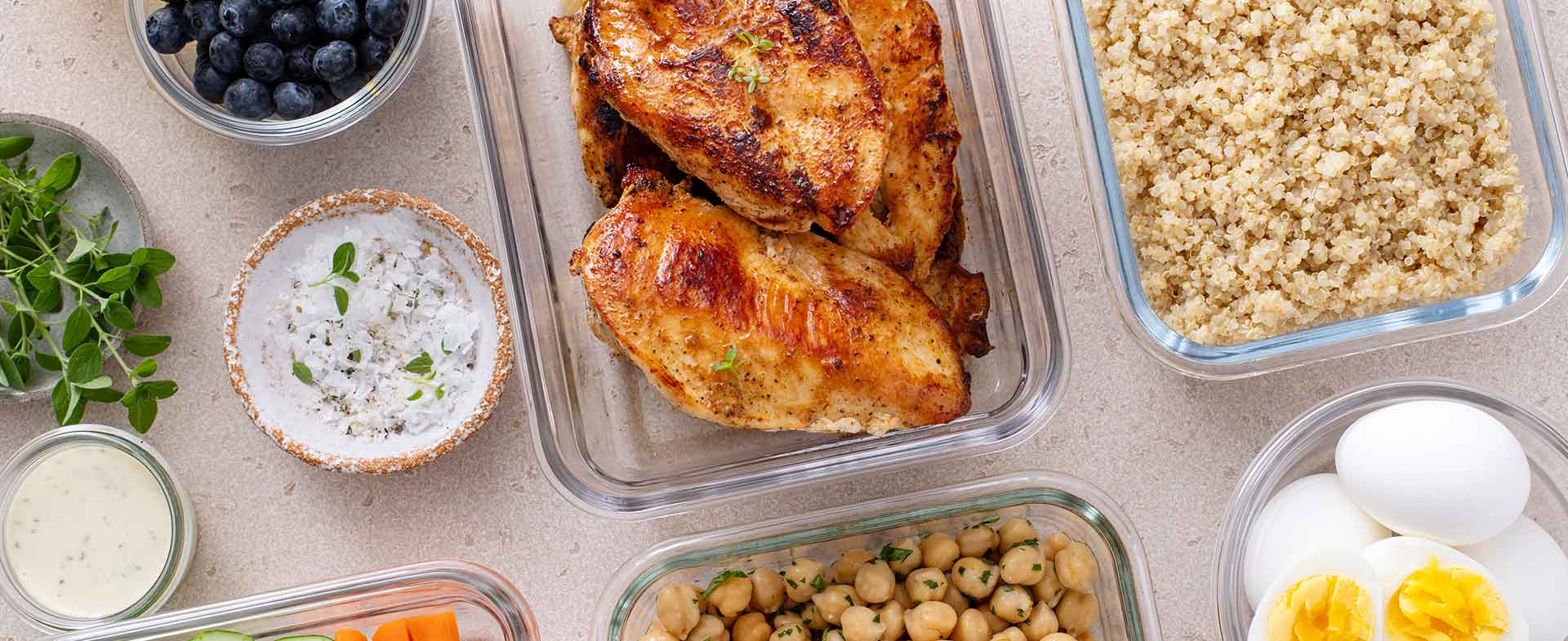
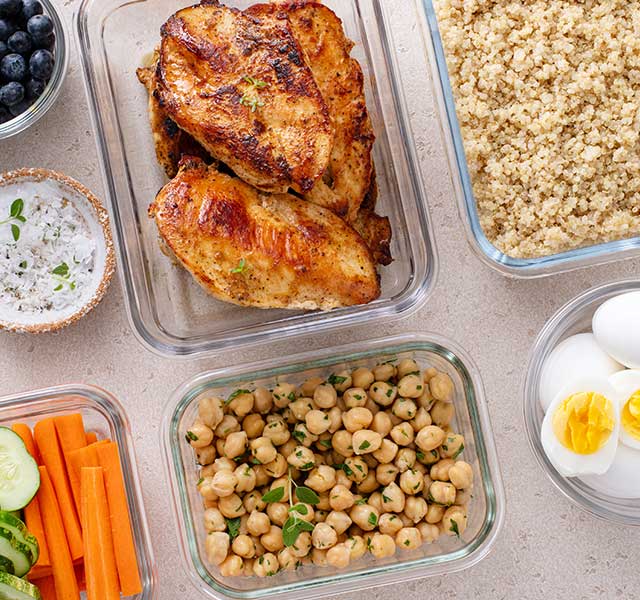
To meet your protein goals, you may need to be intentional about your food choices. Incorporating foods that are rich in protein into your snacks and meals can make it easy to meet your protein needs.
Protein-rich foods include:
- Meat (including beef, chicken, turkey and pork): 21 grams per 3 ounces
- Fish: 21 grams per 3 ounces
- Greek yogurt: 20-24 grams per 8 ounces
- Cottage cheese: 14 grams per ½ cup
- Tofu: 12 grams per 4 ounces
- Lentils: 9 grams per ½ cup
- Beans (including navy, kidney and black): 8 grams per ½ cup
- Milk: 8 grams per 8 ounces
- Peanut butter: 7 grams per 2 tablespoons
- Hummus: 7 grams per 1/3 cup
- Quinoa: 6 grams per 1/3 cup
- Eggs: 6 grams per egg
The Added Benefits of Plant-Based Protein
“When thinking about protein, it’s important to think about the quality, not just the quantity, of the protein you’re eating,” says Carnahan. “Plant-based protein is great because it also contains so many other beneficial nutrients.”
Sources of plant-based protein—such as soy, nuts, seeds and beans—are rich sources of fiber, vitamins and minerals and contain little or no saturated fats.
“Even vegetables contain some protein,” says Carnahan. “So if you have a big spinach salad with some broccoli, and add some beans and seeds, your protein intake can be very similar to eating a serving of meat.”
Do I Need Protein Supplements?
Protein powders, shakes and other protein-fortified foods are trendy right now, but they may not be necessary for most people. “Whenever possible, it’s always best to get your protein from food rather than supplements,” says Carnahan.
Most Americans already get plenty of protein through diet alone. The exceptions could include athletes, older adults, and those whose appetites or ability to eat are compromised.
“People always think more is better, so why not add protein-fortified snacks to your diet?” says Carnahan. “But just because a chip or drink has protein added to it doesn’t mean it’s healthy.”
Rather than relying on highly processed foods, focus on adding healthy whole foods to your diet that are naturally rich in protein.
Reviewed by Ashlee Carnahan, MS, RD, CLC, CPT, a registered dietitian nutritionist at Henry Ford Health.

