

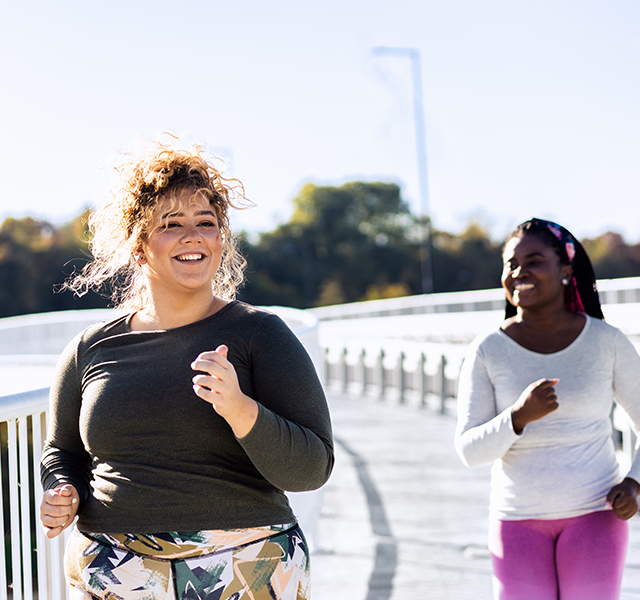
Some runners experience a magical moment when the miles feel effortless and a wave of euphoria washes over them. This so-called runner’s high is something many athletes strive for.
Stefanie Klozik, PT, DPT, ATC, is a physical therapist and athletic trainer at Henry Ford Center for Athletic Medicine. She explains the brain chemistry behind runner’s high, also known as exercise euphoria, and whether you should chase it.
Endocannabinoids and Exercise
For decades, runner's high was thought to be a surge of endorphins, the body's natural painkillers. But recent research reveals that endorphins aren't the main players in this phenomenon. Instead, it’s your endocannabinoids, which are molecules that your brain produces during various stress and exercise. These substances can produce a feeling similar to the feeling brought on by cannabis, but your body produces them naturally.
“Endorphins flood your bloodstream during exercise, but they're too large to cross the blood-brain barrier easily,” says Klozik. “Endocannabinoids, however, easily cross this barrier, allowing them to affect your brain and nervous system. Some people notice mental clarity, less anxiety and lower pain perception.”
Endocannabinoids also work in tandem with dopamine, your brain's motivation chemical. “Together, these two brain chemicals reinforce the behavior that triggered them,” Klozik says. “They make you want to run again.”
How to Achieve Exercise Euphoria
Not every run will activate the runner’s high. First, you have to properly fuel your body, which also fuels your brain.
“You need energy through nutrition and hydration to support all of your body’s functions,” Klozik explains. “If you train so hard that you use up your available energy, your body will pause some of its jobs, including your endocannabinoid response. Or if you’re just not well-rested that day, the fatigue could interfere with the release of endocannabinoids.”
You also need 30 to 60 minutes of continuous, moderate-intensity aerobic exercise to trigger the euphoric feeling. “Moderate intensity is a cruisy pace where you can still hold a conversation,” Klozik says. “It's not about pushing yourself to exhaustion.”
Your mindset also plays a key role. If you're checking your watch or counting down the minutes, you're less likely to experience the high. Instead, try to be present in the movement.
“Minimize distractions during your run if you can,” suggests Klozik. “Skip the podcast and tune into your breathing and footsteps instead.”
And while running is a popular way to feel exercise euphoria, other aerobic activities can produce similar effects. The key is sustained, rhythmic movement at moderate intensity.
Brain Benefits of Exercise
Even if you never experience runner's high, your brain is still reaping rewards. Long-distance running tells your body to produce brain-derived neurotrophic factor (BDNF), a protein that nourishes your brain cells.
“BDNF supports the growth of neurons in your brain and strengthens connections between your brain cells,” says Klozik. “This is especially true in the hippocampus, which controls learning and memory.”
Health experts agree that regular aerobic exercise improves memory and cognitive (thinking) skills. Running also increases levels of serotonin and dopamine, neurotransmitters that regulate mood and mental health. This may be why regular running—or any aerobic exercise—can help manage symptoms of depression and anxiety.

Go Where The Pros Go
Should You Chase a Runner’s High?
Even if you do everything right, you may not experience exercise euphoria, and that's okay. Some people have more sensitive endocannabinoid receptors than others.
Your training status matters too. Beginners might need more time to adapt to the physical activity before experiencing exercise euphoria.
“Your first goal should be finding a place where you are having fun, regardless of your fitness level," Klozik says. “Chasing the high can actually backfire, leading to overtraining or burnout.”
New runners, especially, shouldn't feel discouraged if they don't experience euphoria right away. Building consistency and finding enjoyment in the activity matters more than a feel-good moment.
Enjoy Running Without Pressure
Runner's high doesn’t need to be your primary motivation for lacing up your shoes. If you exercise regularly, you’ll enjoy plenty of rewards, including better physical and mental health.
“The mental clarity, stress relief and sense of accomplishment are available to every runner,” says Klozik. “Your endocannabinoid system is supporting your brain health even if you don’t feel it.”
So the next time you head out for a run, let go of expectations. Find your pace, stay present and trust that you’re doing something great for your body.
Reviewed by Stefanie Klozik, PT, DPT, ATC, physical therapist and athletic trainer at Henry Ford Center for Athletic Medicine.

