Beans and soy products have a well-earned reputation as a source of healthy plant-based protein. But their benefits don’t end there. Research also shows that beans, soy products and other legumes can help prevent and lower high blood pressure.
In fact, these powerhouse plant foods can have a surprisingly strong effect on heart health. Here’s what to know about legumes and how to add them to your diet.
Legumes and Heart Health
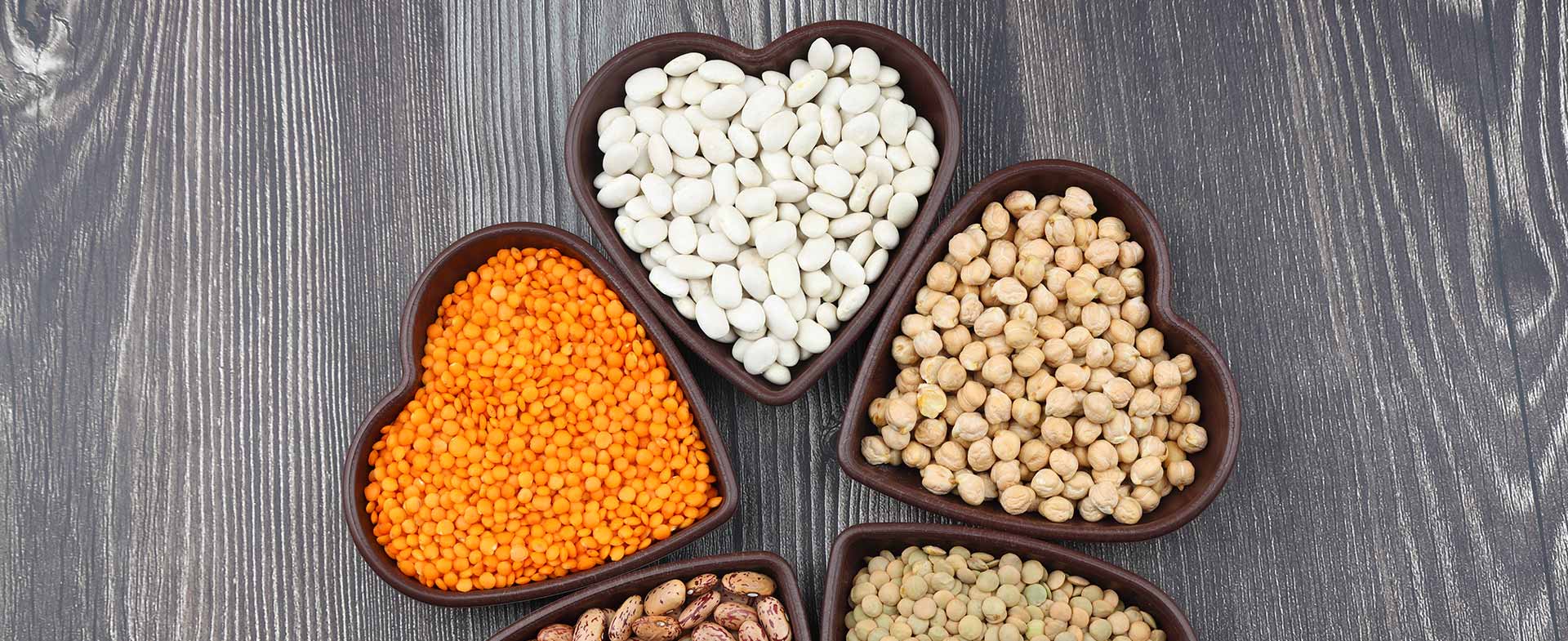
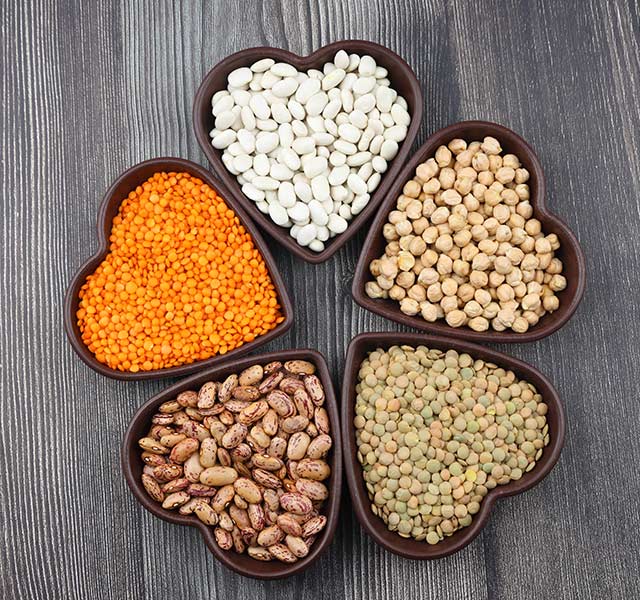
What exactly are legumes? They are a class of plants that grow their seeds in pods. Legumes include:
- Beans
- Chickpeas (garbanzo beans)
- Peanuts
- Peas
- Lentils
- Soybeans
Nutrition experts have known for some time that legumes have a place in a heart-healthy diet. But a new analysis recently helped clarify the connection between blood pressure and these foods. The researchers looked at a dozen long-term studies from around the world. They found diets high in legumes were clearly linked to a reduced risk of high blood pressure.
People who ate the most legumes and soy products were 16% to 19% less likely to have high blood pressure compared to people whose diets were light on beans and soy.
And the more they ate, the lower the risk—up to a point. People who ate 170 grams of legumes each day had a 30% lower risk of high blood pressure. (One cup of beans or other legumes equals about 170 grams.) Eating 60 to 80 grams of soy products each day lowered the risk by about 28%. Beyond those points, however, eating more legumes didn’t offer additional benefits.
Legumes don’t just prevent high blood pressure. They can also help lower blood pressure in people who already have hypertension. It doesn’t happen overnight, of course. But over a year or so, people who add more beans, peas, lentils and soy to their daily diet might expect to see their blood pressure numbers trend downward.
Legume Health Benefits
Blood pressure is just one of many benefits of beans and their cousins in the legume family. These plant-based proteins can also help to lower cholesterol—especially when you eat them in place of animal proteins like beef or pork.
The pluses don’t stop at heart health. Legumes have also been shown to improve weight management, reduce the risk of Type 2 diabetes and support a healthy gut microbiome.
What gives legumes their power? There are a few factors working in their favor. They are high in magnesium and potassium, which are known to have positive effects on blood pressure. Legumes are also rich in isoflavones and polyphenols, plant-based micronutrients that act as antioxidants and support overall health, including a healthy heart.
Legumes are also a great source of fiber, which offers a host of health benefits.
Can You Eat Too Many Beans?
As healthy as legumes are, you don’t want to dish up a plateful all at once. If you aren’t already eating a high-fiber diet, adding too many beans and other legumes at once can cause bloating and gas. Fortunately, it’s a side effect that can be easily managed by slowly adding them into your diet. Gradually increase the amount you eat over several weeks. It also helps to drink plenty of water as your body adapts to a higher-fiber diet.
While legumes are safe and healthy for most people, there are some things to know. Many legumes are high in oxalates, which can cause problems for people with kidney stones. And because legumes are high in potassium, people who are sensitive to that mineral—such as people with kidney failure—may want to limit their intake. People in these groups should check in with a doctor before adding more legumes to their daily diet.
How to Eat More Beans, Peas and Soy

Meet With A Dietitian
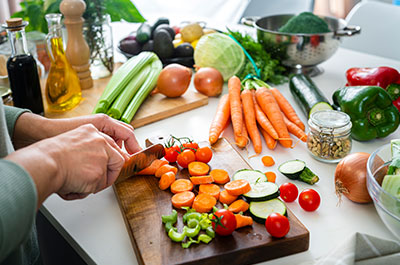
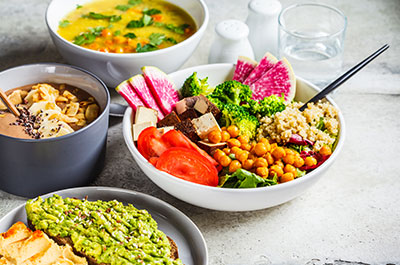
Ready to add more legumes to your plate? There are almost endless ways to do it.
Beans are incredibly versatile. Try them in soups, salads and tacos, or swap beef for beans to make black bean burgers.
Lentils are another great legume, and one that’s often overlooked. They come in a variety of colors—all nutritious—and make a great addition to soups and stews.
There’s also a whole world of soy products to discover. Tofu comes in different varieties, from soft to firm. You can blend soft “silken” tofu into smoothies or try scrambling it like an egg to eat with toast or add into breakfast burritos. Firm tofu can be diced and cooked in an air fryer for a tasty meat alternative that’s great in grain bowls or noodle dishes.
Legumes even make great snacks. Try roasting canned chickpeas in the oven with a sprinkling of salt or other seasonings until they are crunchy.
Peanuts, too, can make a super snack. But because they are higher in fat and calories (and often high in sodium), be careful of the portion size. Aim for a small handful (about one ounce).
With so many delicious options, though, there’s no reason to reach for just one legume. Whether you reach for canned beans, dried lentils, fresh peas or something else, get to know the legume family to maximize the benefits for your blood pressure and overall health.
Bethany Thayer, MS, RDN, is the director of the Henry Ford Center for Health Promotion and Disease Prevention. Learn more about Bethany.