
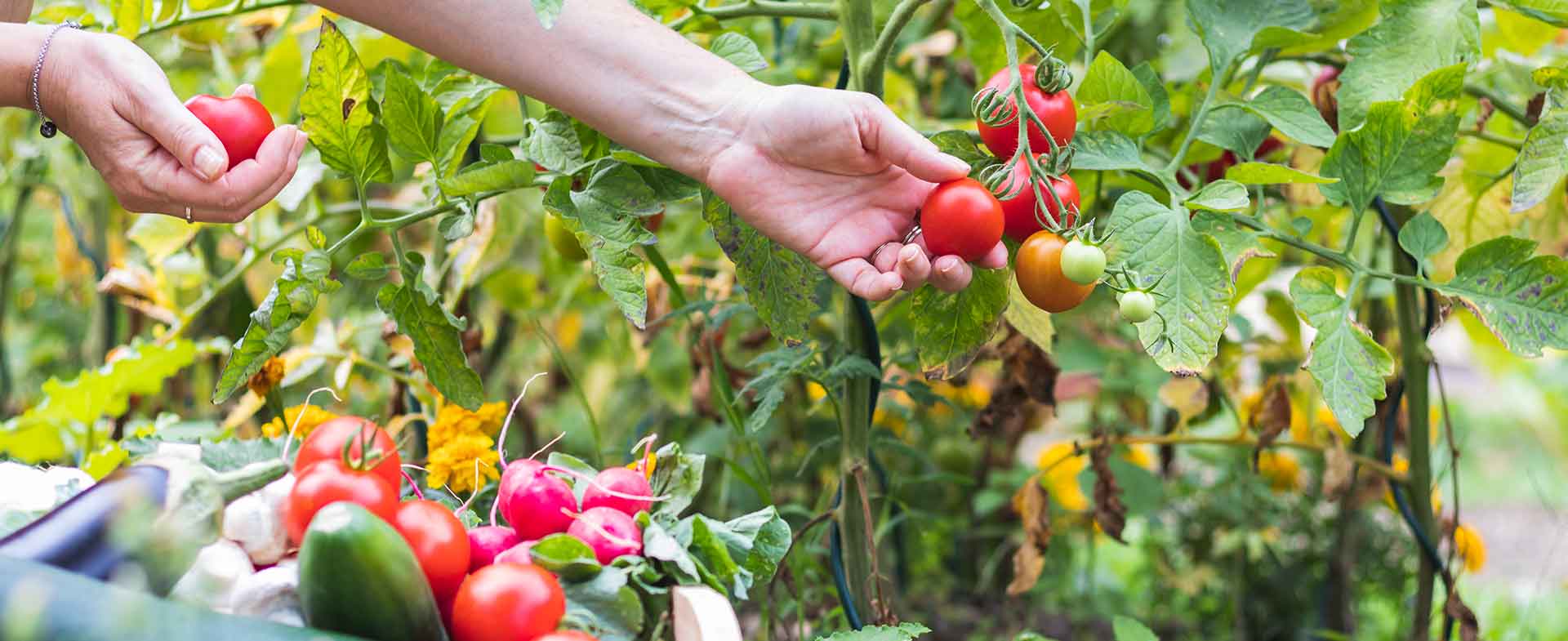
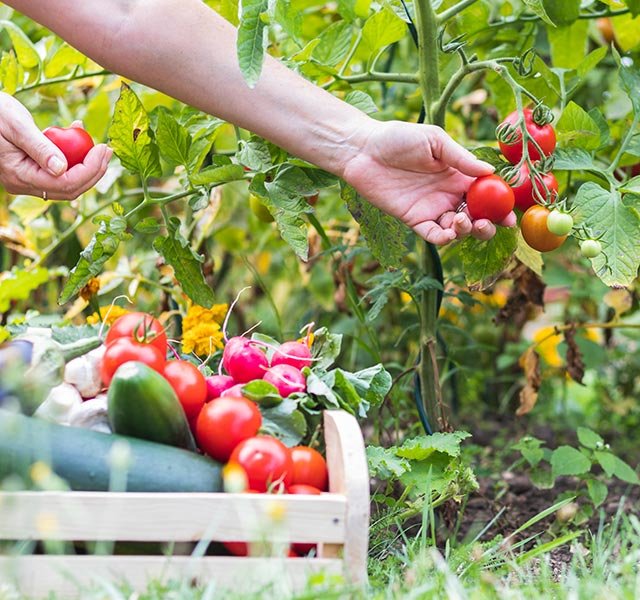
Seasonal eating is just what it sounds like — eating foods that are fresh and in season during a particular time of year. These foods grow in nature, not greenhouses, and they tend to taste better than their manufactured counterparts.
"Produce like tomatoes that is harvested underripe and green so it can travel across the country doesn't taste the same as when it’s plucked straight from the vine," says Bethany Thayer, MS, RDN, director of the Henr y Ford Center for Health Promotion and Disease Prevention. The most vibrant — and tastiest — vegetables and fruits are always the ones that are freshest.
Seasonal Eating Advantages

While you can get summer favorites like berries, melons and stone fruits year-round, eating seasonally offers clear advantages not only for yourself, but also for your local environment. Here are a few ways seasonal produce packs a punch:
- It's less expensive: Eating seasonal produce tends to be cheaper. The reason: "There's less transit time from farmer to consumer," Thayer says. Not only do seasonal foods travel shorter distances to reach you, but they also don't demand the same level of care and attention.
- It supports the local economy: When you purchase fresh and local, the money you spend supports the community. You don't have to visit the farmer's market to get seasonal produce. You can purchase local, in-season foods at your grocery store. "Just look for 'grown in Michigan' on the label," Thayer says.
- It's better for the environment: One benefit to eating seasonally is that you're helping to reduce your carbon footprint while also supporting local farmers. Travel time hits the environment hard in the form of fossil fuels, so the shorter the travel time, the higher the reduction in fossil fuel use. Keep that in mind when you're making purchases at the grocery store.
Guide To Eating Seasonally
Every vegetable and fruit tastes best when it's in season. When you're shopping, think about what grows naturally during that time of year, rather than what you see in the produce section. Seasons still matter, even with our modern food system.
Off-season produce often appears tasty and vibrant, but appearances can be misleading. Uncover the joys of eating vegetables and fruits that grow naturally in Michigan. A few of Thayer's seasonal favorites:
Summer
- Peaches
- Berries
- Cherries
- Melons
- Tomatoes
- Green beans
- Zucchini
- Basil
- Cilantro
Fall
- Apples
- Beets
- Brussels sprouts
- Carrots
Winter
- Onions
- Root vegetables
- Citrus fruits, including grapefruit, oranges, lemons and limes
- Potatoes
Spring
- Asparagus
- Rhubarb
- Peas
- Green onions
Reviewed by Bethany Thayer, MS, RDN, director of the Henry Ford Center for Health Promotion and Disease Prevention.

