

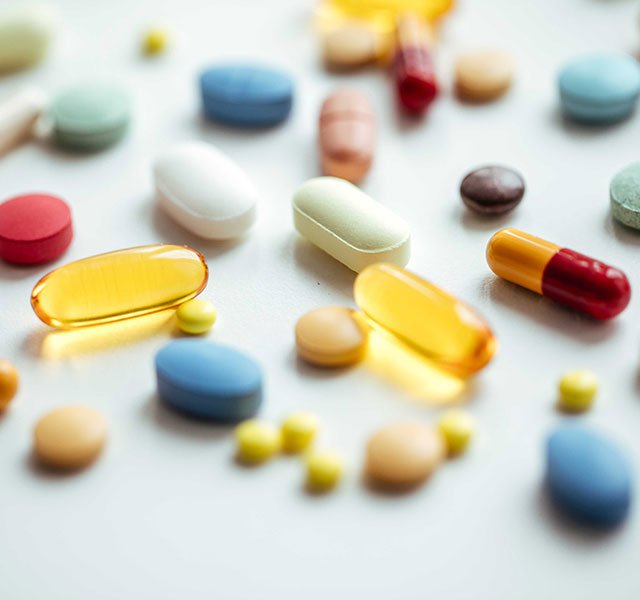
With the population aging and an increasing number of people facing chronic conditions ranging from heart disease and diabetes to cancer and autoimmune issues, consumers are increasingly hitting the health food store in search of a magic pill to cure what ails them. In fact, millions of Americans take a daily multivitamin with the belief that it will improve their health, prevent disease and even extend longevity.
However, there is major concern about taking supplements without medical supervision. Scientific evidence suggests that while multivitamins may help to fill some nutritional gaps, they are not proven to reduce mortality or even prevent major chronic disease. And, taking these supplements could create more problems than they solve.
Why Supplements Can Be A Danger To Your Health
The biggest concern with supplement use and your health is that most of these products are not regulated. Whie dietary supplements are regulated for known toxins under the Dietary Supplement Health and Education Act (DSHEA) of 1994, they are classified as food rather than drugs.
This means that the U.S. Food and Drug Administration (FDA) is responsible for regulating supplements, and currently, they do no require pre-market approval for product safety. Oversight primarily occurs after products reach the market.
What does that mean? With hundreds of thousands of supplement products regularly available to consumers, the FDA doesn't have the manpower to ensure that all supplements met minimum standards for effectiveness and safety.
Without standardized regulation processess in place, supplements may be contaminated with harmful chemicals, fail to meet labeled ingredient concentrations and may even have toxic levels of ingredients.
What You Need To Know For Safer Supplement Use

Henry Ford Center For Integrative Medicine
There are some third-party certifications - such as the NSF International and United States Pharmacopeia (USP) - that can indicate if a health product meets certain quality and purity standards. These certifications do not mean there is a clinical benefit for taking any supplement, but if you are taking one, make sure they are always NSF or USP certified.
Multivitamins may be recommended by your provider in a few cases for:
- Individuals with nutritional deficiences
- Pregnancy and prenatal health
- Aging-related needs
- Severe dietary restrictions
In these cases, your healthcare provider will provide individual guidance on the types of products to use.
A Final Warning About Supplements
Anything that has the power to heal also has the potential to harm. Supplements may pose risks including nutrient excess, drug interactions, contamination and product mislabeling.
In fact, once a nutrient leaves the plant and enters a bottle, powder or pill, it rarely harbors the same beneficial effects. Instead, research suggests that these nutrients extracted from the place of origin can have adverse effects on health. Remember that just because something is labeled "natural" doesn't necessarily mean it is safe.
It’s always best to get nutrients through whole foods. I recommend eating a nutrient-dense, plant-based diet and reducing animal-based protein, saturated fats and processed foods. Whole plant foods have thousands of disease-fighting, health-promoting nutrients, including fiber, vitamins, minerals and antioxidants.
Dr. M. Elizabeth Swenor leads the functional and lifestyle medicine team at Henry Ford Health. She sees patients at Henry Ford Medical Center in Bloomfield Township. Learn more about Dr. Swenor and read her articles here.

