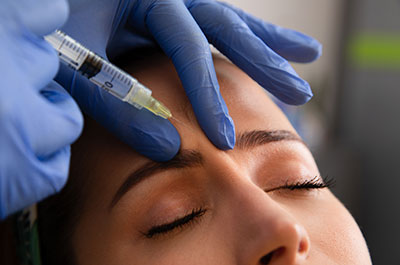
Dermal fillers have become a leading cosmetic option in recent years. These injectable treatments can smooth and rejuvenate the face with minimal downtime for recovery.
“Fillers are very safe, and there's a reason they've become so popular,” says Robert Deeb, M.D., a facial plastic surgeon at Henry Ford Health. “The risks are low, they're well tolerated by the body and the products have continued to improve.”
But like any medical procedure, dermal fillers do carry some risks, particularly when injected improperly. Understanding these risks and how to minimize them can help you make informed decisions about your cosmetic treatments.
What Facial Fillers Can Do
The goal of fillers is to add volume or plumpness to targeted areas of the face. Common places for fillers include:
- Around the eyes to fill in the groove between the eyelid and cheek
- Around the mouth to soften nasolabial folds and marionette lines
- In the lips for a fuller appearance
- In the temples to restore volume
- In the cheeks to create a high cheekbone look
Complications From Fillers
Complications from FDA-approved dermal fillers are uncommon, especially when you have a skilled, experienced injector. When issues do occur, they can be serious.
Filler injected into a blood vessel raises the risk of two major complications:
- Tissue loss (necrosis): Filler in a blood vessel or compressing the vessel from the outside can block blood flow to surrounding tissues. This can cause tissue death, particularly in areas like the nose and lips, where blood vessels are abundant.
- Blindness: In extremely rare cases, filler injected into a blood vessel travels backward to the blood vessels that feed the eye. This complication can cause vision loss.
“Complications with blood vessels are very rare,” Dr. Deeb says. “We can reduce these risks even further with proper technique and by avoiding high-risk areas, where filler isn’t typically recommended.”
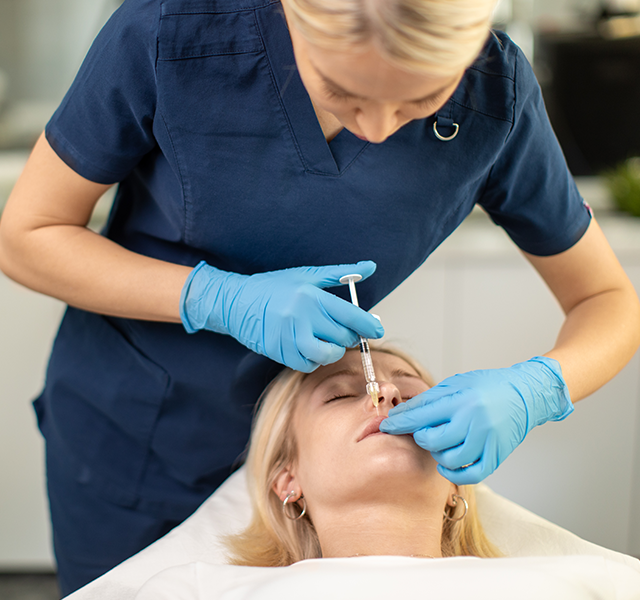
Certain filler locations also carry a higher risk than others. One example is “liquid rhinoplasty,” which involves injecting filler into the nose to reshape it without surgery. This procedure is generally safe in skilled hands and the right candidate, but it requires greater caution due to the nose's complex blood vessel network.
Other rare risks of fillers include:
- Allergic reaction
- Infection
- Migration (filler shifting from its desired location)
Choosing the Right Injector
The key to minimizing risks is selecting a qualified, experienced clinician. But cosmetic injections seem to be available everywhere. How do you choose your provider?
“One important factor to consider is board certification,” advises Dr. Deeb, who is double board-certified by the American Board of Otolaryngology-Head and Neck Surgery and the American Board of Facial Plastic and Reconstructive Surgery. “Plastic surgeons who are board-certified have deep knowledge of facial anatomy.”
However, board certification isn't always required for fillers if the person is a licensed, qualified clinician with proper training. For example, many physician assistants (PAs) and nurse practitioners (NPs) also safely perform dermal filler procedures. “Advanced practice providers like PAs and NPs can be great options if you find one with proper training and experience,” says Dr. Deeb.
No matter which type of provider you choose, consider their:
- Experience: Do they perform a high volume of injections? Do they have extensive knowledge of facial anatomy?
- Before-and-after photos: Look at their work to assess their aesthetic approach and results.
- Patient reviews: Check third-party review sites for honest feedback.
- Communication style: Do they set realistic expectations? Are they rushing you or being overly promotional?
“If the provider is promising that filler will give you the same results as surgery, that's a red flag,” Dr. Deeb says. “Filler offers more subtle changes than cosmetic surgery. You should be expecting conservative, natural results.”

Henry Ford Center for Cosmetic Surgery
Warning Signs After Treatment
Though complications are rare, it’s important to watch for concerning signs after getting filler. Contact your provider if you experience:
- Lumpy, bumpy or uneven texture
- Severe pain
- Significant color changes in the skin (very red or very white areas)
- Signs of infection, such as drainage, excessive swelling and redness
- Vision changes
“Good communication with your provider is essential,” Dr. Deeb says. “I give my patients my cell phone number after any procedure so they can reach me quickly if they have concerns.”
Getting Fillers Safely
Facial fillers are a safe and effective way to address volume loss when performed by qualified providers using proper technique. And any procedure, even if it’s minimally invasive, carries some risk.
“We accept risk every day—when we drive, when we walk outside,” Dr. Deeb says. “The key is making sure the likelihood of benefit is much higher than the likelihood of risk. With the right provider and realistic expectations, fillers can be a great option for many people.”
Reviewed by Robert H. Deeb, M.D., a board-certified facial plastic surgeon at Henry Ford Medical Centers - Grosse Pointe Cottage Building and Lakeside.