A strange phenomenon is happening all over social media. Influencers and TikTokers are showing off their earwax. A quick search yields thousands of videos and step-by-step tutorials on eliminating goo from your ear canals.
It might make for lots of likes, but is DIY ear cleaning safe—or even necessary? “In most healthy young adults, the ears are self-cleaning,” explains Kristen Angster, M.D., an otolaryngologist (ENT) at Henry Ford Health. “Many of the methods people are trying on their own may be causing more harm than good.”
Why Do We Have Earwax?
There are plenty of people and products desperate to convince you of the need to regularly get rid of any wax in your ears. But the truth is, that wax is there for a reason.
“Wax helps catch dirt and debris before it can get down into the eardrum and cause damage or infection,” says Dr. Angster. “It also protects the delicate skin of the ear canal.”
Wax is produced by wax glands inside the ear canal (similar to oil glands in the skin). And as with oil, some people naturally produce more earwax than others. The amount and consistency of earwax can change seasonally and with age. Older adults are more likely to experience wax that gets dry and hardens.
The Dangers of Ear Candling, Oils and Other DIY Earwax Removal
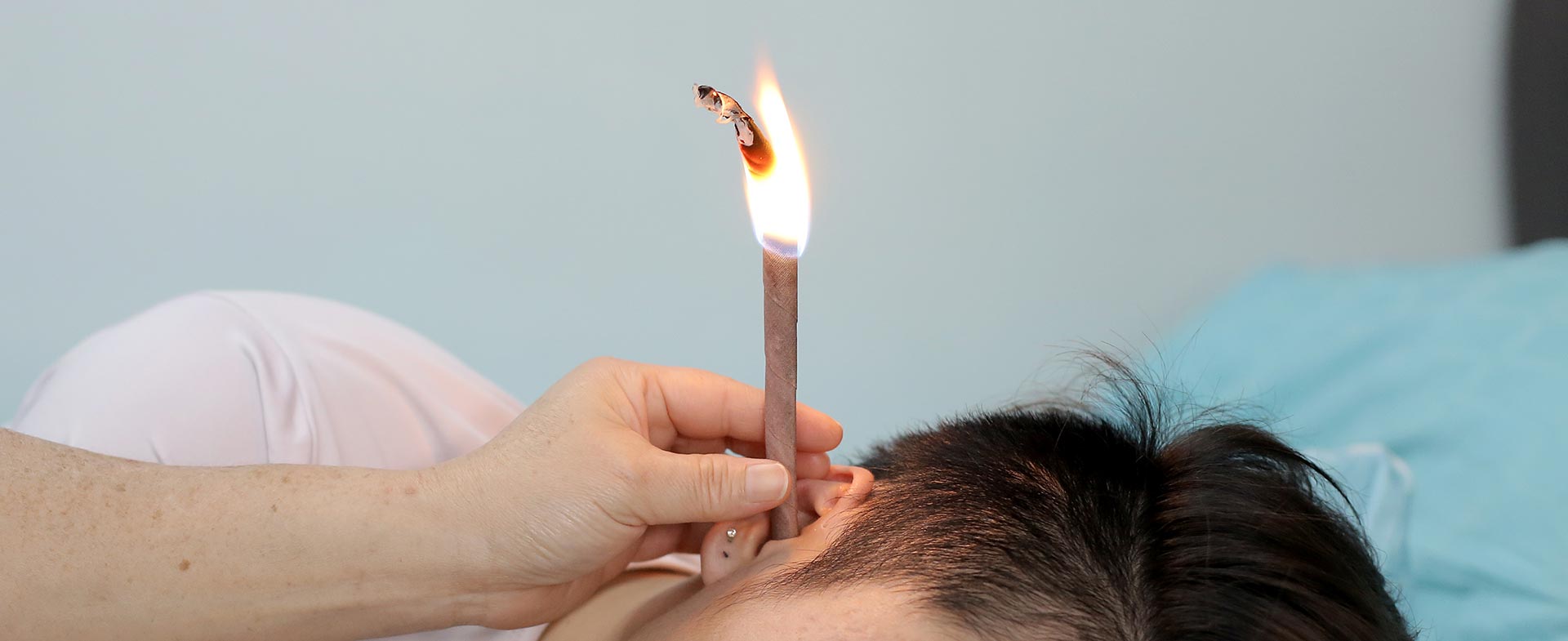
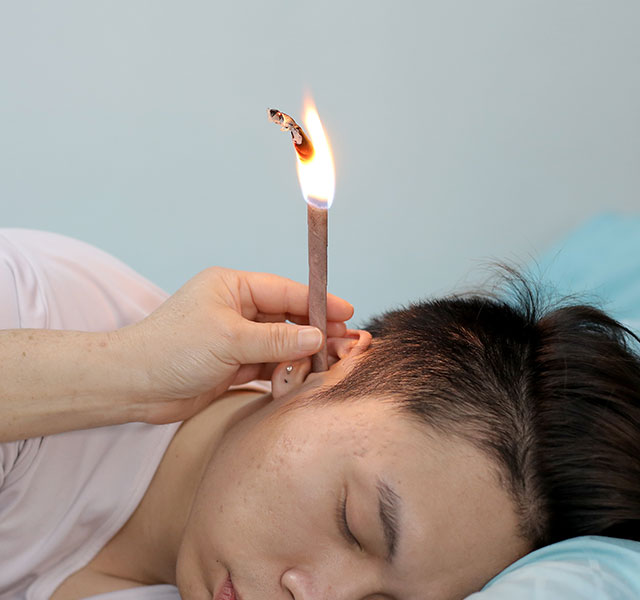
According to Dr. Angster, many of the ear cleaning methods you see touted online range from ineffective to downright dangerous. But the worst, she warns, is ear candling.
“I would not recommend ear candling to anyone,” she says. “There is a risk of burning the face or ear.” And the “debris” you see advertised isn’t coming from wax being eliminated from the ear. “It’s just part of the candling device crumbling and burning,” says Dr. Angster.
She also cautions against gadgets readily available online that have a tiny camera that syncs with your phone. The idea is that you can look in your ear while scooping out wax. “It’s very easy for your hand to slip while using it,” says Dr. Angster. “I’ve seen people puncture their eardrum and need surgery to repair it.”
Even a cotton swab has the potential cause damage to the eardrum. Sticking one in your ear can also result in packing wax back down into the canal rather than taking it out.
Other DIY methods may be safer but may not be that effective. Oils and drops can soften earwax, but changing the consistency doesn’t necessarily help remove it.

Can I Safely Remove Earwax at Home?
“For most people, wax falls out on its own and doesn’t need to be removed,” says Dr. Angster.
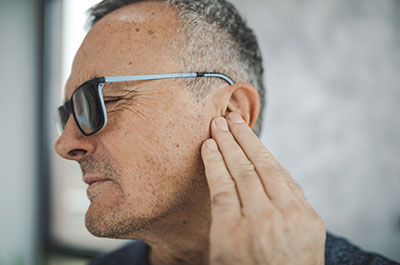
There are, however, times when wax gets trapped or impacted. This can cause discomfort and even temporary hearing loss. If that’s your situation, you probably need a professional to clean them out.
Anyone considering trying DIY earwax removal should also consult with a doctor first. “It helps to have a baseline exam before you try any at-home wax removal methods,” says Dr. Angster. “Your doctor can make sure there are no obstructions or lesions in your ear canal and give you instructions on how to safely clean your ears if needed.”
When Should You See a Doctor About Earwax Removal?
If you’re concerned about the amount or appearance of your earwax, if your ears hurt or your hearing is affected, talk to your doctor. A primary care provider or an ear, nose and throat specialist (ENT) can do a thorough exam and determine if there’s a problem.
“We have the equipment to remove wax gently and safely when it’s necessary,” says Dr. Angster. “It’s very easy to damage the ears by doing it yourself.”
Reviewed by Kristen Angster, M.D., an otolaryngologist (ENT) who sees patients at Henry Ford Hospital in Detroit and Henry Ford Medical Center-Lakeside.