
Just when healthy habits start to feel automatic, real life steps in. From a weekend packed with activities to a much-needed long vacation, a change in your daily patterns can throw off your hard-won habits.
“Whether you’re driving an hour or flying for 10, things like eating well, exercising and getting enough sleep all get harder when you’re changing up your routine,” says Jennifer M. Burgess, D.O. “But it doesn’t have to be hard to stick to healthy habits when you’re on the go,” she says.
Healthy Travel Snacks and Meals
When schedules are packed and meals are unpredictable, good nutrition can fall by the wayside. Luckily, healthy eating is possible even when you’re far from home.
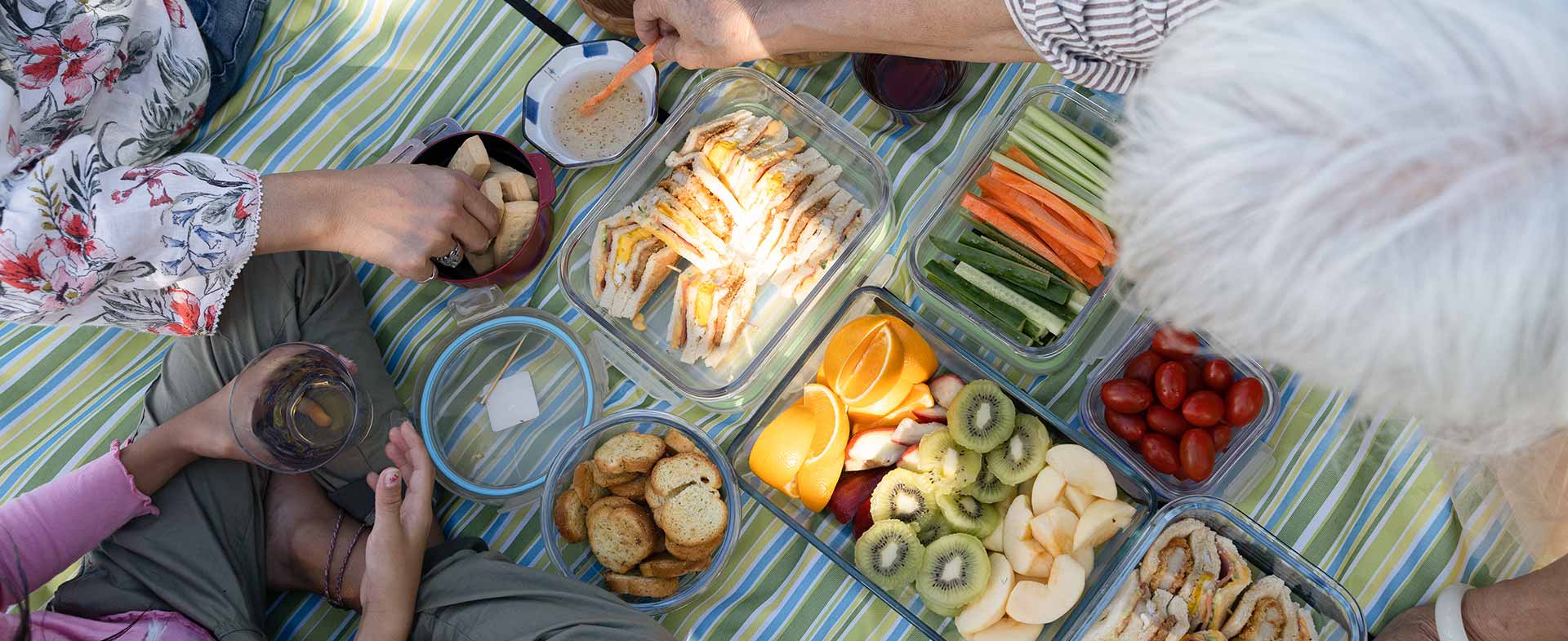
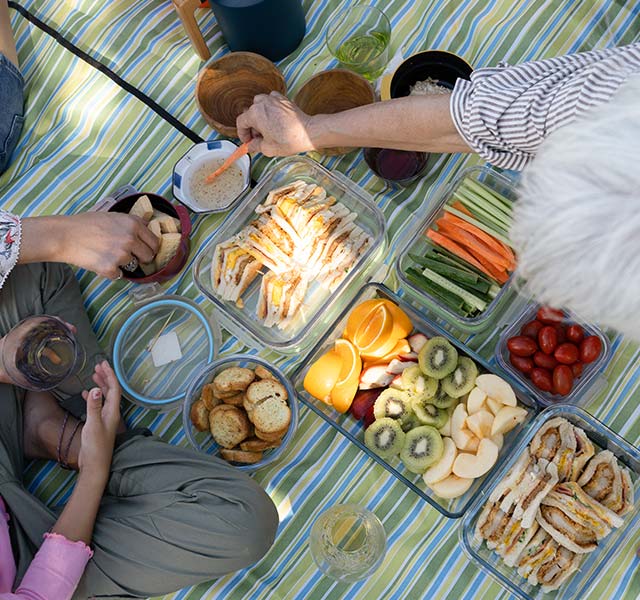
- Pack a snack: Instead of hitting the drive-thru or airport food court, pack a small cooler of snacks and sandwiches. If you favor crunchy snacks like chips when you’re on a road trip, pack carrot sticks or air-popped popcorn. If you often hanker for sweet treats, try trail mix made of nuts and dried fruit. “In addition to eating more nutritious things, you’ll probably save money if you pack snacks ahead of time, too,” Dr. Burgess says.
- Stock your rental: On longer trips, consider a vacation rental with a kitchen. It’s easier to eat well when you can prepare at least some meals yourself. No kitchen? Most hotel rooms have a small fridge. Hit the grocery store to stock up on fruits, veggies and protein-rich snacks like hard boiled eggs or unsweetened Greek yogurt.
- Map your meals: Before you visit a new location, look up the menus from local restaurants. Bookmark places that offer a mix of healthy options. “This can be especially helpful if you have food allergies or are looking for things like vegetarian or gluten-free options,” Dr. Burgess says.
- Drink wisely: When you’re buzzing around, it’s easy to forget to hydrate. Carry a water bottle and fill it regularly to stay quenched. Meanwhile, try not to overindulge in alcohol just because you’re on vacation. Limit yourself to no more than two alcoholic drinks per day, Dr. Burgess suggests.
- Treat yourself: Vacations are meant to feel like a break, so it’s okay to indulge a bit. That doesn’t mean ordering dessert at every meal, however. As always, balance is key. “If you had a shake at lunch, maybe skip ice cream after dinner,” Dr. Burgess says. “In addition to extra calories and sugar, overdoing it could lead to stomach troubles—which you definitely don’t want on vacation.”
Travel Workouts: Exercise Away From Home
It’s an unfortunate fact: Just because you’re on the go doesn’t mean you’re getting your steps in. But there are ways to fit more physical activity into your day, even when you’re far from home.
- Use time wisely: Instead of sitting for an hour at the airport gate, pop in a podcast and use the time to walk up and down the terminal. While you’re waiting for your family to wake up and get ready, step outside for a short stroll or do some simple stretches.
- Make it fun: You’re more likely to stay active on the go if it doesn’t feel like a chore. You might dread hitting the hotel treadmill each day of your vacation, but a jog on the beach can feel like a treat.
- Minimize equipment: Keep a set of resistance bands in your suitcase or car. They take up almost zero space and are a handy way to engage in strength training. You can also do exercises like push-ups and stretching exercises that don’t require weights. Try downloading a fitness app for ideas. “There are so many great apps with all different kinds of workouts. It’s easy to search for things that don’t require equipment,” Dr. Burgess says.

Centering Sleep When You Travel
Time away from home can disrupt your normal sleep rhythms. You’ll feel and function at your best if you take some steps to get plenty of shut-eye.
- Keep it cozy: Bring your favorite pajamas and other items that help you feel relaxed, like scented oils or your favorite herbal tea. If you’re traveling by car, toss your pillow in the back. “Pillows are personal, and it’s always easier to get a good night’s sleep when you have your own,” Dr. Burgess says.
- Stick to a schedule: Try to stick to your usual sleep time and wake-up time, Dr. Burgess says. That will help signal to your body when to rest so you can recharge for another busy day. If you’re dealing with jet lag, short-term melatonin supplements might help you get back on track. “Just talk to your doctor first about the dose and how best to use it,” Dr. Burgess advises.
- Drown out the noise: Try white noise to muffle the sounds of an unfamiliar place. Look for small travel-size white noise machines or download a white noise app on your phone. Noise-canceling headphones can be a big help if you’re trying to sleep on a plane or other public transportation.
Other Tips for Staying Healthy When You’re Traveling
There are a few other things that can help you stay healthy and happy while you’re traveling, Dr. Burgess says.
- Move your legs: Sitting for long stretches can cause your legs to swell and feel fatigued. Stand up and take a short walk every hour or two to get your blood moving. Even a short stroll up the airplane aisle is better than nothing. “Compression socks are also great for reducing fatigue and swelling if you know you’ll be stuck in a seat for a long period,” Dr. Burgess says.
- Pack your pills: Make sure to refill your prescription medications before you travel so you have what you need while you’re away. You can also pack a kit with common over-the-counter meds you might need, such as anti-inflammatories, anti-nausea medicines or heartburn remedies.
- Fight germs: It’s never fun to get sick, especially on vacation. When you’re out and about in public spaces, wash hands frequently and apply hand sanitizer to lower the odds of catching something, Dr. Burgess says. “If you’re immunocompromised or at high risk for illness—or just really don’t want to get sick—wearing a mask when you’re flying or in crowded spaces is the safest way to go.”
Reviewed by Jennifer M. Burgess, D.O., a family medicine doctor at Henry Ford Health. She sees patients at the Henry Ford Center for Athletic Medicine in Detroit.

