
If you're interested in nutrition and healthy eating, you might have come across the idea of resistant starch. What exactly is this nutrient, why does it matter for your health and how can you incorporate it into your diet?
What Is Resistant Starch?
Resistant starch is a type of carbohydrate that your body can’t easily digest. Regular starches break down in your small intestine, where your body quickly absorbs them. Resistant starch, however, makes it through the small intestine undigested and travels to your large intestine (colon).
When resistant starch reaches the large intestine, gut bacteria use it as food and ferment it. This fermentation process releases short-chain fatty acids, including butyrate, propionate and acetate. Your body absorbs these fatty acids, which can boost your health in several ways.
Health Benefits of Resistant Starch
Research has shown that resistant starch:
Controls blood sugar
Insulin is the hormone that helps move sugar from your bloodstream into your cells for energy. Insulin sensitivity is when your cells respond properly to insulin, which keeps blood sugar levels within a healthy range.
One study found a 33% increase in insulin sensitivity after people added resistant starch to their diets. Improved insulin sensitivity may reduce your risk of Type 2 diabetes, stroke and heart disease.
Helps regulate appetite
You may have heard of GLP-1, a hormone that plays a role in some weight loss medications. GLP-1 sends signals to your brain that you’re full; your body naturally produces it after you eat.
When gut bacteria ferment resistant starch in your colon, they tell your body to produce more of its own GLP-1. This natural boost in GLP-1 can help you feel fuller for longer after meals, which may support healthy weight management.
Supports gut health
Resistant starch is a premium fuel for the beneficial bacteria living in your gut. Research shows that the short-chain fatty acids from resistant starch can maintain your gut’s protective lining and encourage a healthy, balanced microbiome. A healthy gut affects many aspects of your health, including digestion, mood and immunity.

Meet With A Dietitian
A registered dietitian can help you make healthier food choices.
Book now
Lowers cholesterol
Research shows that resistant starch may help lower total cholesterol and LDL ("bad") cholesterol. Experts believe this occurs because short-chain fatty acids may interfere with cholesterol production in your liver. Lower cholesterol, especially LDL cholesterol, reduces your risk of heart attack, stroke and cardiovascular disease.
Which Foods Contain Resistant Starch?
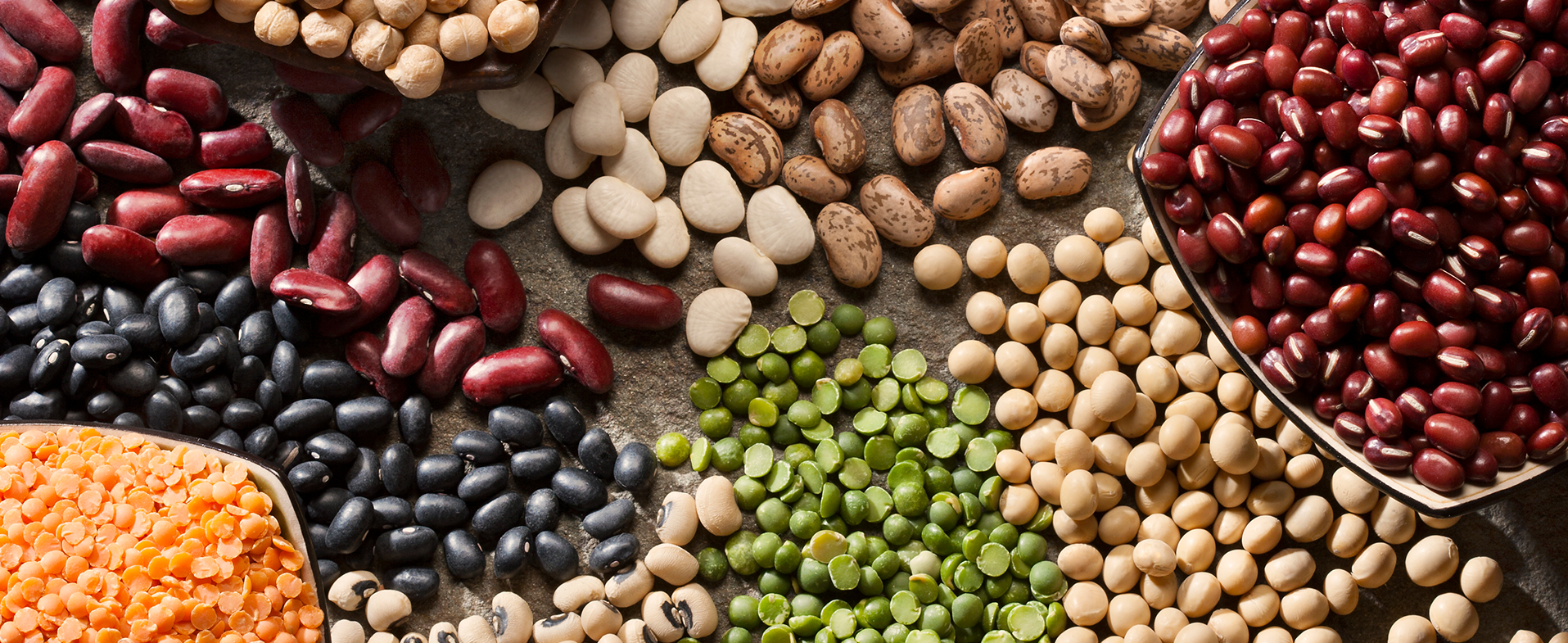
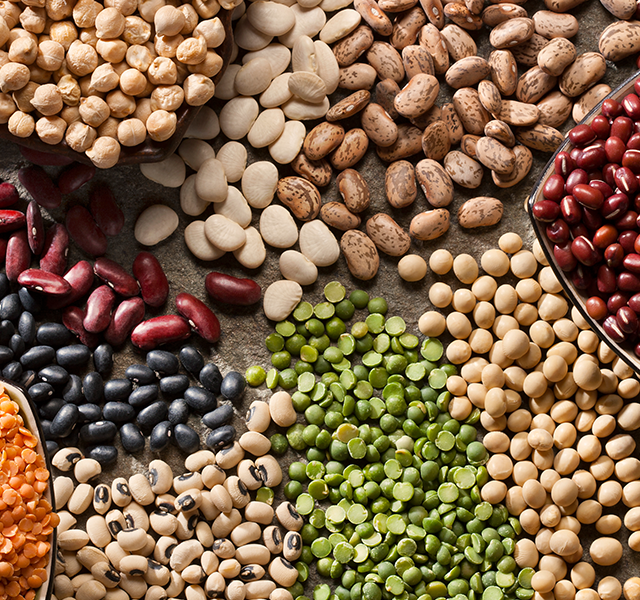
Many foods naturally contain resistant starch. Legumes such as lentils, beans and green peas are excellent sources. Nuts, seeds, whole grains and green (unripe) bananas also contain resistant starch.
You can increase the resistant starch in some foods by cooking and cooling them before eating. When you cook potatoes, rice or pasta and let them cool, some of the starch molecules change into resistant starch. And you don’t have to eat cold rice or potatoes. Reheating the cooked and cooled food will not affect its resistant starch content.
How Can I Get More Resistant Starch?
You won’t see resistant starch listed on nutrition labels, and there’s no official daily recommendation for it. So rather than trying to eat a certain amount, focus on adding foods with resistant starch into a balanced diet. Some ways to eat more resistant starch include:
- Choose whole-grain breads or pasta instead of white, processed varieties
- Eat beans and legumes a few times a week
- Pre-cook rice, potatoes and pasta when you can (or make extra and enjoy leftovers!)
If you’re not used to eating foods rich in resistant starch, add them into your diet slowly. Like foods that contain lots of fiber, eating too much resistant starch too quickly can cause gas and bloating. Give your digestive system time to adjust by increasing your intake gradually.
Variety Is Key
While resistant starch is a nutritional superstar, don’t hyper-focus on it—or any other nutrient, for that matter. Instead, build your meals around a diverse mix of minimally processed foods. When you do this, resistant starch naturally becomes part of your diet.
Bethany Thayer, MS, RDN, is the director of the Henry Ford Center for Health Promotion and Disease Prevention. Learn more about Bethany.

