When we’re stressed or just want to unwind, many of us turn to scrolling or watching TV. But what if some simple, screen-free hobbies could give you better stress relief, and even help you stay sharp?
Old-school activities like knitting, crocheting, baking and gardening are making a comeback, and you might want to hop on this trend. Henry Ford Health neuropsychologist Jannel Phillips, Ph.D., explains how “grandma hobbies” could benefit your brain.
Managing Stress With Hands-On Hobbies
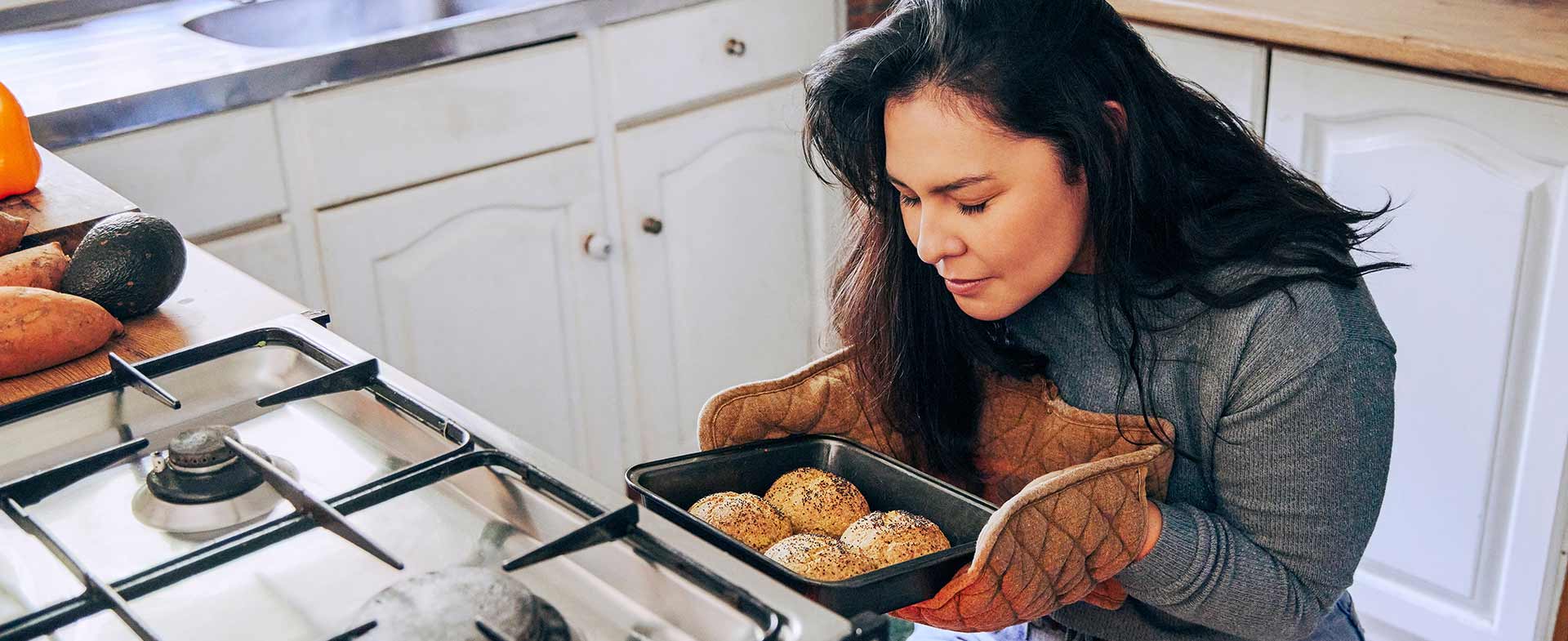
Sure, maybe your grandma was always knitting because she enjoyed making sweaters. But she may have been relieving stress, too. The repeated motions involved in knitting, crocheting or kneading dough can act as a form of meditation.
“Engaging in repetitive, rhythmic activities can be calming,” says Dr. Phillips. “This allows you to focus on the present moment, rather than worries or stressors. You also benefit from the tactile nature of these hobbies. Touching something can help you connect with the physical world, which may help you feel relaxed.”
Connecting With Others Through Activities
While many “grandma hobbies” can be enjoyed solo, they also offer avenues for community connection. Knitting groups, quilting bees, gardening clubs or online forums allow you to spend time with others who have shared interests.
“Humans are social creatures, and having a sense of belonging can combat loneliness and protect against depression,” says Dr. Phillips. “Hobbies can provide a low-pressure environment to connect with like-minded individuals, celebrate successes and discuss challenges.”
Even if you pursue a hobby alone, you can still enjoy a sense of connection. Giving away your knitted blanket or sourdough bread can help you nurture relationships, too. “Making something and giving it to another person can bring you a sense of purpose and joy,” says Dr. Phillips.
Using Grandma Hobbies to Exercise Your Brain
Beyond stress relief and social connection, non-screen hobbies can also give your brain a workout. Learning a new skill, whether it’s deciphering a complex knitting pattern or mastering the subtle art of fermentation, challenges your cognitive abilities.
“When you learn a new skill, you build new connections in your brain,” explains Dr. Phillips. “These connections, known as neural pathways, can get stronger, which may improve memory and thinking abilities.”
These benefits are supported by research. A meta-analysis found that people who regularly participated in physical and cognitive activities had a lower risk of dementia.
These hobbies also require your focused attention, which may help you exercise your concentration and memory skills. “Activities that demand sustained focus help train your brain to filter out distractions and stay on task,” says Dr. Phillips.
Grandma Hobbies To Try

Henry Ford Neuropsychology
Even if you’ve never touched a crochet needle or baked a pie, you can pick up a grandma hobby. Consider these ideas:
- Baking: Bread, cakes and cookies have nearly limitless options, and usually require just a few grocery store ingredients to get started.
- Blocks: Legos and similar toys aren’t just for kids. If you love to build, embrace your inner child and put some blocks together.
- Calligraphy or coloring: Whether you color outside the lines or create masterful art, these activities help you refine motor skills and encourage mindfulness.
- Canning: Turning fresh produce into jams or and pickles allows you to enjoy homemade goodness year-round.
- Gardening: Growing plants indoors or out allows you to connect with nature—another way to relieve stress.
- Knitting, quilting, or crocheting: Fiber arts enable you to create something functional or beautiful that you can keep or give as a gift.
- Puzzles: Jigsaw, crossword or sudoku puzzles help you flex your mental muscles by identifying patterns and improving your concentration.
The great thing about grandma hobbies is their versatility. Nearly everyone can find a hands-on activity they enjoy that gets them off screens and into the world of quiet focus. “There’s no right or wrong way to do a ‘grandma hobby,’” Dr. Phillips says. “If it gives you a sense of community and requires brain power, you’re getting benefits.”
Reviewed by Jannel Phillips, Ph.D., a neuropsychologist who sees patients at Henry Ford’s Behavioral Health clinic at One Ford Place in Detroit, Henry Ford Medical Center – Hamtramck and Henry Ford West Bloomfield Hospital.